
IBM AI Ethics: The Real Framework (3 Principles, 5 Pillars)
IBM's real framework is three Principles for Trust and Transparency plus five Pillars of Trust, run by its AI Ethics Board. Not the 'seven requirements' people

Responsible AI Knowledge Base
638 briefings on AI governance, safety, compliance, and AI search, written for boards, CMOs, and the teams deploying AI in regulated markets.
Start here
IBM's real framework is three Principles for Trust and Transparency plus five Pillars of Trust, run by its AI Ethics Board. Not the 'seven requirements' people

Microsoft's Responsible AI Standard takes six principles and turns them into checkable requirements, and that structure is the part worth copying.
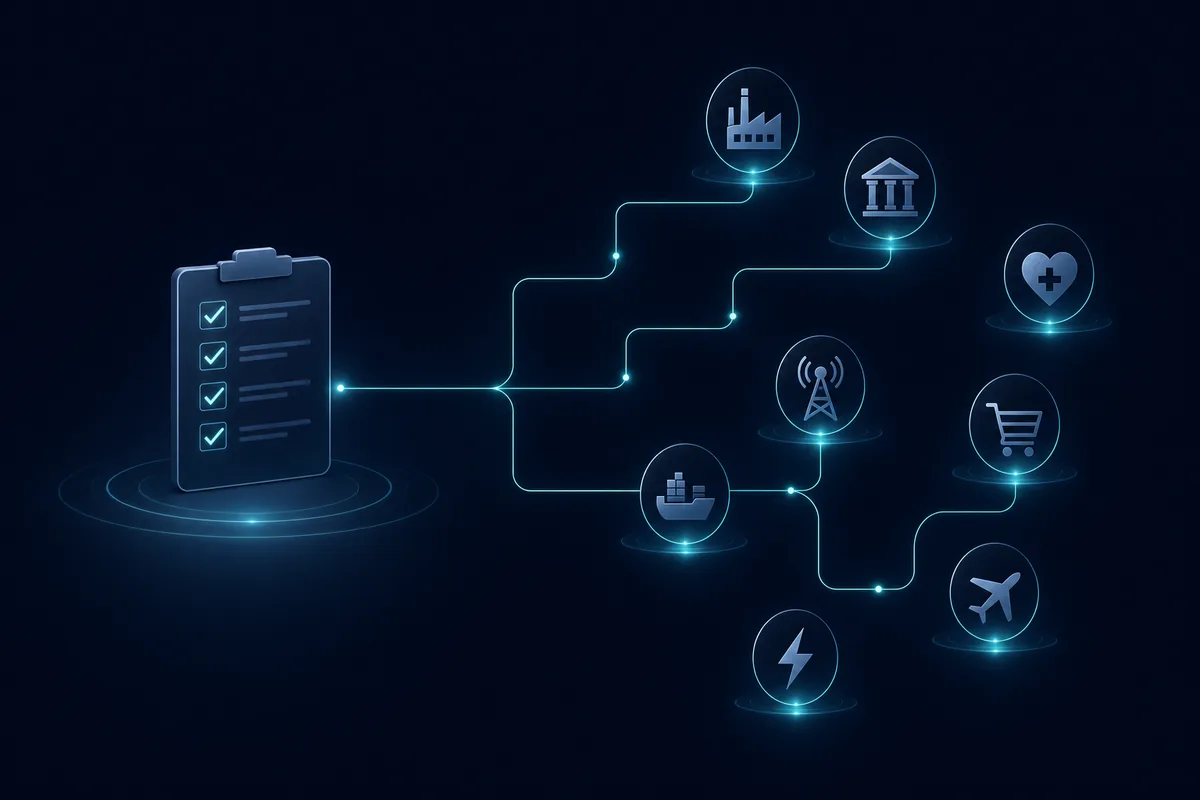
An industry-by-industry EU AI Act checklist that maps your AI systems to Annex III and the current, postponed high-risk deadlines.

AI slop reads fluently but says little, and at scale it carries compliance and brand risk, so here's how to spot it and the governance that stops it.

Skipping permissions on an AI coding agent isn't a dev-tools question; it's an ungoverned actor changing your codebase, and the 2026 data shows where that lands

Google scrapped its 2018 seven-principle AI framework in February 2025, dropping the weapons and surveillance pledge for three looser pillars. Here's what that
638
An independent wire-level analysis proved xAI's Grok Build CLI keeps uploading entire codebases, including secrets, even after users opt out. Here is what board

Copy our free AI DPIA template for AI systems. The eight sections and exact questions to answer, when a DPIA is legally required under GDPR Article 35, and how
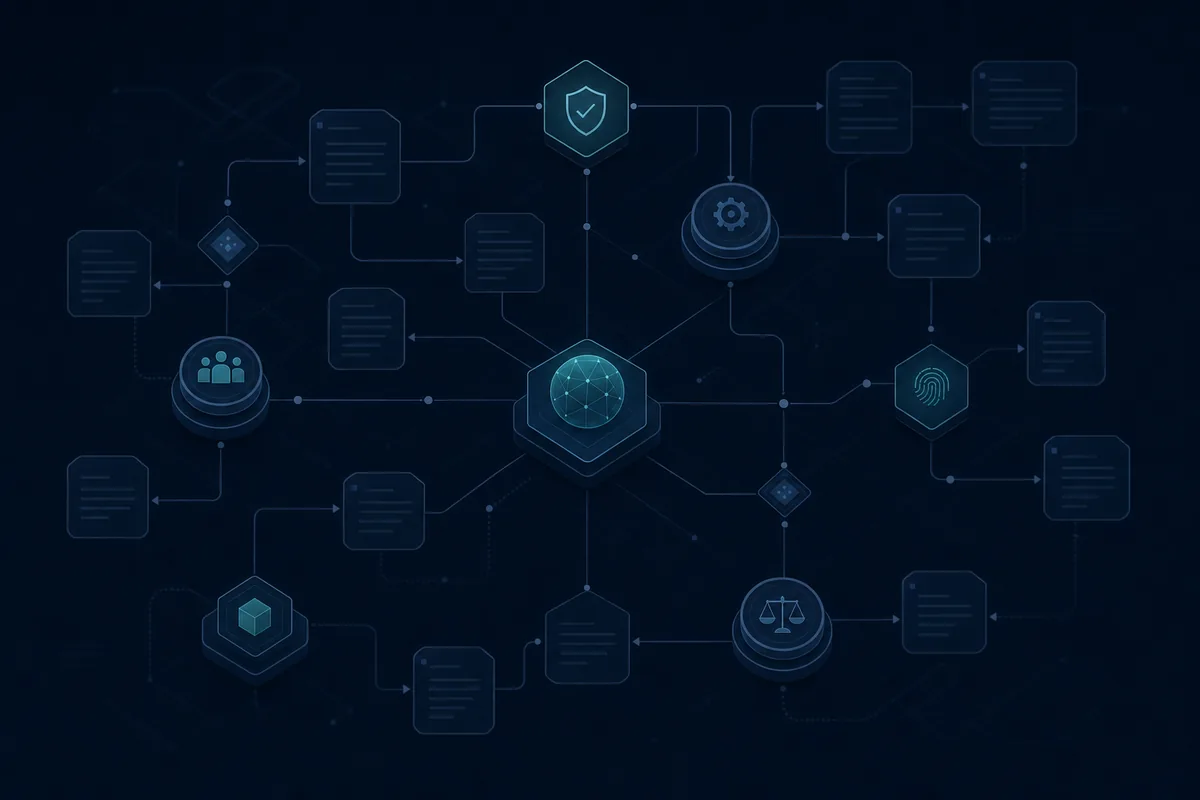
A free, copy-pasteable company AI use policy template with all twelve clauses filled in, from approved tools and data handling to human oversight, transparency

Buy a third-party AI tool and you inherit its risk. This free AI vendor assessment checklist gives you 25 questions and the exact evidence to demand before you

Intelligence is getting cheaper and access to it is concentrating at the same time. If your growth depends on a model you don't control, that is a risk to manag

AI is starting to build interfaces on the fly. When the machine assembles the screen, your structured data decides whether your brand appears in it.
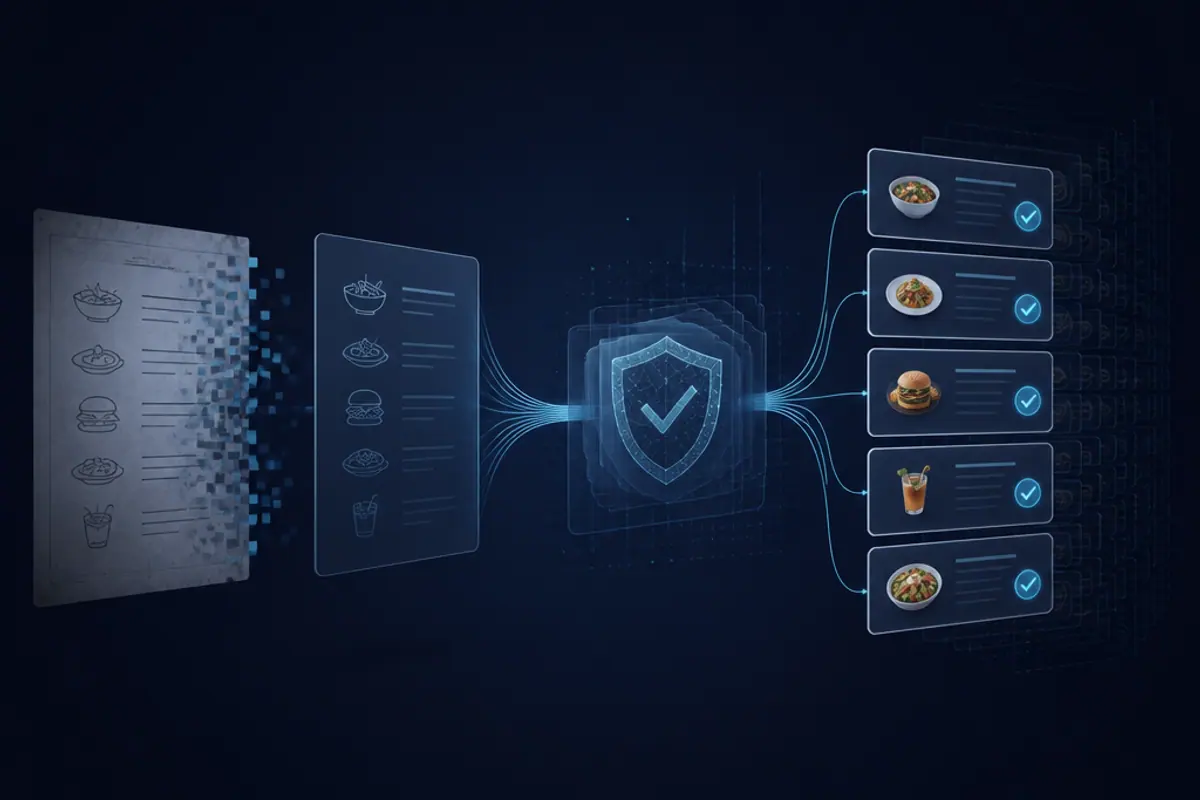
Technical deep dive into AI content verification for regulated environments. Menu digitisation as example of critical accuracy requirements.

AI safety isn't just about AGI. Menu digitisation AI mistakes can cause anaphylaxis deaths. How allergen verification requires 100% accuracy.

How AI safety frameworks apply to SMB software. EasyMenus case study on allergen verification and regulatory compliance.

Child-safe by design means protective settings on by default, the least data collected, age established with proportionate confidence, and an honest explanation

How can schools deploy AI learning systems whilst protecting student wellbeing and educational rights?

If your AI product can be accessed by children, the board owns the risk. A practical governance framework: who's accountable, which review gates belong at the t

What audit trail requirements exist for AI financial decision-making?

How can financial executives ensure AI systems detect rather than enable financial crime whilst meeting regulatory standards?

What consent requirements apply to AI processing of patient data?

How can AI systems inadvertently facilitate money laundering activities?
What are the legal risks of AI systems influencing political opinions?

Who is liable when AI medical devices make incorrect diagnoses?
How do we ensure AI credit decisions comply with fair lending laws?

How can we audit AI systems for democratic bias or manipulation?

What compliance requirements apply to AI systems used in political contexts?

Why do AI capability overstatements pose significant risks to organizations and how can independent validation protect against costly misjudgments?

AI interviews, HireVue, algorithmic bias, facial recognition hiring, AI discrimination, automated interviews

If job hunting is grinding you down, you're not weak. The toll is real and documented, and much of it comes from how hiring is built. What helps, and why respon
If your organisation is deploying AI in a regulated market, we will pressure-test your governance and your AI search position in one conversation.
Request a Consultation