The Complete AI Threat Assessment: Evaluating Your Organisation's Risk Profile
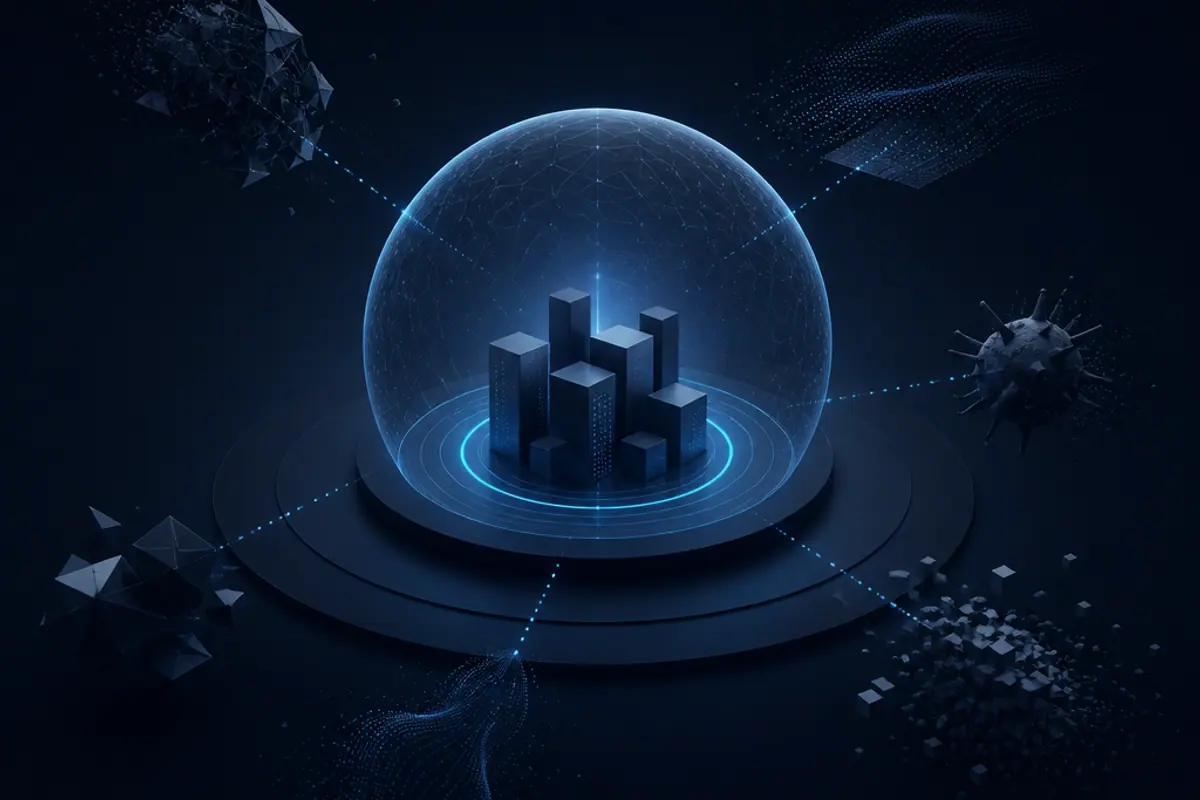
AI threat assessment is the systematic evaluation of an organisation's vulnerability to intelligent, adaptive attacks, covering technical, psychological, and business process weaknesses that traditional security audits don't reach.
The executives who understand AI threat evolution and recognise the risks from cognitive warfare, AI-powered ransomware, and intelligence decline inevitably ask: "How do we know if we're vulnerable?"
Traditional security assessments evaluate technical vulnerabilities against known attack patterns. But AI threats require assessment of organisational vulnerabilities to attacks that think, learn, and evolve. This methodology provides the systematic approach needed to understand your real risk profile and prioritise defensive investments effectively.
Beyond Traditional Security Assessment
Conventional security assessments were designed for human attackers operating under human constraints. These approaches prove inadequate for evaluating vulnerability to AI-powered threats that transcend traditional attack categories.
The Limitations of Static Risk Assessment
Point-in-Time Vulnerability Analysis Traditional assessments create snapshots of security posture that become obsolete as soon as threats evolve:
Known Threat Focus: Conventional assessments test against catalogued attack techniques rather than evaluating resilience against novel approaches
Technical System Emphasis: Traditional methodology focuses on network and system vulnerabilities whilst ignoring psychological and organisational attack surfaces
Periodic Review Cycles: Annual or quarterly assessments that cannot keep pace with continuously evolving AI threat capabilities
Compliance-Driven Metrics: Assessment frameworks designed to meet regulatory requirements rather than evaluate genuine defensive capability
Human-Centric Assumption Framework Traditional assessments assume attackers operate under human limitations that don't apply to AI systems:
Time Constraint Assumptions: Assessment models that assume attackers need weeks or months for reconnaissance and attack development
Resource Limitation Models: Evaluation frameworks that assume attackers have limited resources and must prioritise targets carefully
Error Rate Expectations: Assessment approaches that assume attackers will make mistakes that provide detection opportunities
Static Attack Pattern Analysis: Evaluation of defences against predetermined attack methodologies rather than adaptive strategies
Understanding how AI attacks evolve beyond these constraints reveals why organisations need fundamentally different assessment approaches.
The AI Threat Assessment Paradigm
Dynamic Vulnerability Evaluation AI threat assessment evaluates organisational capacity to adapt to evolving threats rather than resistance to specific attack patterns:
Adaptive Capacity Analysis: Assessment of organisational ability to develop new defensive capabilities as threats evolve
Cross-Domain Integration: Evaluation of vulnerabilities across technical, psychological, and business process domains simultaneously
Evolution Response Capability: Assessment of organisational capacity to adapt defences faster than attacks can evolve
Strategic Resilience Measurement: Evaluation of capacity to maintain operations and decision-making quality under unprecedented attack conditions
Intelligence-Based Risk Profiling AI threat assessment focuses on vulnerabilities to intelligent, adaptive adversaries rather than scripted attack patterns:
Psychological Vulnerability Mapping: Assessment of organisational and leadership susceptibility to sophisticated manipulation campaigns
Decision-Making Dependency Analysis: Evaluation of vulnerabilities created by over-reliance on AI systems for critical decisions
Information Ecosystem Assessment: Analysis of how attackers could manipulate information sources that influence organisational decisions
Cultural and Bias Exploitation: Assessment of organisational culture patterns that create systematic vulnerabilities to manipulation
The VerityAI Threat Assessment Framework
Comprehensive AI threat assessment requires systematic evaluation across eight critical dimensions that address the full spectrum of AI-powered attack capabilities.
Dimension 1: Technical Attack Surface Analysis
AI System Vulnerability Assessment Evaluation of technical vulnerabilities in AI systems and their integration with organisational infrastructure:
AI Model Security Evaluation
Training Data Integrity: Assessment of AI system training data security and vulnerability to poisoning attacks
Model Architecture Security: Evaluation of AI model security against adversarial attacks and manipulation attempts
API and Integration Security: Assessment of AI system interfaces and integration points with other organisational systems
Update and Maintenance Security: Evaluation of security for AI system updates, patches, and maintenance procedures
Human-AI Interface Analysis
Decision Handoff Points: Assessment of vulnerabilities in human-AI decision-making interfaces and collaboration frameworks
AI Output Verification: Evaluation of organisational capacity to verify and validate AI-generated recommendations and outputs
Override and Control Mechanisms: Assessment of human capability to override or control AI systems when necessary
Dependency and Fallback Planning: Evaluation of organisational capacity to function when AI systems are compromised or unavailable
Infrastructure Integration Security
Network Security Integration: Assessment of how AI systems integrate with organisational network security and monitoring
Data Flow Security: Evaluation of data security as information flows between AI systems and other organisational systems
Third-Party AI Security: Assessment of security risks from external AI services and cloud-based AI platforms
Supply Chain AI Security: Evaluation of security risks from AI systems provided by vendors and partners
Dimension 2: Psychological Vulnerability Assessment
Leadership Manipulation Susceptibility Evaluation of organisational leadership vulnerability to sophisticated psychological manipulation campaigns:
Executive Decision-Making Analysis
Cognitive Bias Mapping: Assessment of leadership cognitive biases that could be exploited by AI-powered manipulation campaigns
Information Dependency Analysis: Evaluation of information sources that executives rely upon for decision-making and their vulnerability to manipulation
Stress Response Patterns: Assessment of how leadership decision-making quality changes under pressure and crisis conditions
Authority and Trust Relationships: Evaluation of trust networks and authority structures that could be exploited for manipulation
Organisational Culture Vulnerability
Echo Chamber Analysis: Assessment of organisational culture patterns that could amplify manipulated information
Confirmation Bias Exploitation: Evaluation of how organisational bias patterns could be exploited to reinforce manipulated information
Change Resistance Patterns: Assessment of organisational resistance to change that could prevent adaptation to novel threats
Communication Pattern Analysis: Evaluation of internal communication patterns that could be exploited for manipulation campaigns
Crisis Decision-Making Assessment
Emergency Response Psychology: Assessment of how organisational decision-making changes during crisis periods
Time Pressure Decision Quality: Evaluation of decision-making quality when facing artificial urgency and time pressure
Information Verification Capability: Assessment of organisational capacity to verify information during high-stress periods
Stakeholder Management Under Pressure: Evaluation of capacity to maintain stakeholder relationships during crisis periods
Dimension 3: Business Process Vulnerability Evaluation
Operational Dependency Analysis Assessment of business process vulnerabilities that AI attacks could exploit to disrupt operations:
Critical Process Identification
Revenue-Generating Process Dependencies: Assessment of business processes that generate revenue and their vulnerability to AI attacks
Regulatory Compliance Process Analysis: Evaluation of processes required for regulatory compliance and their vulnerability to manipulation
Customer Relationship Process Security: Assessment of customer-facing processes and their vulnerability to AI-powered attacks
Supply Chain Process Dependencies: Evaluation of supply chain processes and their vulnerability to coordinated AI attacks
Decision-Making Process Assessment
Strategic Planning Process Security: Assessment of strategic planning processes and their vulnerability to information manipulation
Operational Decision-Making Analysis: Evaluation of day-to-day operational decisions and their dependency on potentially compromised AI systems
Financial Decision-Making Security: Assessment of financial decision-making processes and their vulnerability to AI manipulation
Human Resource Process Analysis: Evaluation of HR processes and their vulnerability to AI-powered social engineering
Inter-Organisational Process Vulnerability
Partner and Vendor Relationship Security: Assessment of business relationships and joint processes that could be exploited for attacks
Customer Process Integration: Evaluation of customer-facing processes and their vulnerability to AI-powered manipulation
Regulatory Relationship Management: Assessment of regulatory reporting and relationship processes and their vulnerability to compromise
Industry Ecosystem Dependencies: Evaluation of industry-wide processes and systems that could create correlated vulnerabilities
Dimension 4: Information Ecosystem Analysis
Information Source Vulnerability Assessment Evaluation of information sources that influence organisational decision-making and their vulnerability to AI manipulation:
Internal Information System Security
Data Quality and Integrity: Assessment of internal data systems and their vulnerability to manipulation and poisoning attacks
Reporting System Security: Evaluation of internal reporting systems and their vulnerability to AI-generated false information
Communication System Integrity: Assessment of internal communication systems and their vulnerability to AI-powered impersonation
Documentation System Security: Evaluation of organisational knowledge management systems and their vulnerability to manipulation
External Information Dependencies
Industry Intelligence Sources: Assessment of external industry information sources and their vulnerability to AI-powered manipulation
Regulatory Information Dependencies: Evaluation of regulatory information sources and their vulnerability to compromise
Market Information Sources: Assessment of market intelligence sources and their vulnerability to AI-generated false information
News and Media Dependencies: Evaluation of news and media sources that influence organisational decision-making
Information Verification Capability
Source Verification Processes: Assessment of organisational capability to verify information source authenticity and reliability
Cross-Source Validation: Evaluation of processes for validating information across multiple independent sources
Information Freshness and Currency: Assessment of capability to distinguish current information from outdated or manipulated content
Expert Validation Networks: Evaluation of access to independent expert validation for critical information
Dimension 5: Adaptive Capacity Assessment
Organisational Learning and Evolution Capability Assessment of organisational capacity to learn from AI attacks and adapt defences accordingly:
Threat Learning Capability
Attack Pattern Recognition: Assessment of organisational capability to recognise and understand novel AI attack patterns
Defensive Adaptation Speed: Evaluation of how quickly the organisation can develop countermeasures against new attack techniques
Cross-Domain Learning Integration: Assessment of capability to apply lessons from one attack domain to improve defences in other areas
Predictive Threat Preparation: Evaluation of organisational capability to prepare for anticipated threat evolution
Innovation Under Pressure Capability
Creative Problem-Solving: Assessment of organisational capability to develop novel solutions when facing unprecedented challenges
Resource Reallocation Speed: Evaluation of capacity to rapidly reallocate resources to address emerging threats
Cross-Functional Coordination: Assessment of capability to coordinate defensive responses across different organisational functions
External Expertise Integration: Evaluation of capacity to quickly integrate external expertise when facing novel threats
Strategic Adaptation Capability
Strategy Modification Speed: Assessment of organisational capability to modify strategies when facing changing threat environments
Operational Flexibility: Evaluation of capacity to maintain operations whilst adapting to new threat conditions
Stakeholder Communication During Change: Assessment of capability to maintain stakeholder relationships during strategic adaptation
Cultural Change Management: Evaluation of organisational capacity to adapt culture and practices in response to evolving threats
Dimension 6: Systemic Resilience Evaluation
Organisational Survival Capability Assessment Evaluation of organisational capacity to maintain operations and strategic objectives when AI attacks succeed:
Operational Continuity Planning
Critical Function Independence: Assessment of organisational capability to maintain critical functions when AI systems are compromised
Alternative Process Capability: Evaluation of backup processes that can function independently of potentially compromised AI systems
Recovery Time Objectives: Assessment of realistic recovery timeframes for various AI attack scenarios
Stakeholder Communication During Disruption: Evaluation of capability to maintain stakeholder relationships during operational disruption
Decision-Making Resilience
Independent Decision-Making Capability: Assessment of leadership capacity to make sound decisions when AI systems are unavailable or untrusted
Alternative Information Sources: Evaluation of access to reliable information sources that are independent of potentially compromised systems
Crisis Leadership Effectiveness: Assessment of leadership effectiveness during sustained pressure from sophisticated attacks
Strategic Thinking Under Pressure: Evaluation of capacity to maintain strategic perspective during operational crisis
Recovery and Improvement Capability
Post-Attack Recovery Speed: Assessment of organisational capability to recover from successful AI attacks
Defensive Improvement Integration: Evaluation of capacity to integrate lessons from attacks into improved defensive capabilities
Stakeholder Confidence Restoration: Assessment of capability to restore stakeholder confidence after AI attack incidents
Competitive Position Recovery: Evaluation of capacity to maintain or restore competitive position after AI attacks
Dimension 7: Regulatory and Compliance Risk Assessment
Regulatory Vulnerability Analysis Assessment of how AI attacks could create regulatory compliance failures and legal liabilities:
Compliance Process Security
Regulatory Reporting System Security: Assessment of systems used for regulatory reporting and their vulnerability to AI manipulation
Compliance Monitoring System Integrity: Evaluation of systems used to monitor regulatory compliance and their vulnerability to compromise
Audit Trail Security: Assessment of audit trail systems and their vulnerability to AI-powered falsification
Regulatory Communication Security: Evaluation of communication systems used for regulatory interaction and their vulnerability to manipulation
Legal and Liability Risk Assessment
Data Protection Compliance: Assessment of data protection compliance risks when AI systems are compromised
Consumer Protection Implications: Evaluation of consumer protection compliance risks from AI attacks
Professional Liability Exposure: Assessment of professional liability risks from compromised AI decision-making systems
Contractual Obligation Fulfilment: Evaluation of capacity to meet contractual obligations when AI systems are attacked
Regulatory Relationship Management
Regulatory Authority Communication: Assessment of capability to maintain positive relationships with regulatory authorities during AI incidents
Incident Reporting Capability: Evaluation of capacity to meet regulatory incident reporting requirements during AI attacks
Remediation Planning: Assessment of capability to develop and implement regulatory-compliant remediation plans
Future Regulatory Preparation: Evaluation of preparation for anticipated regulatory changes related to AI security
Dimension 8: Strategic Competitive Impact Assessment
Competitive Position Vulnerability Analysis Assessment of how AI attacks could affect organisational competitive position and market relationships:
Market Position Risk Assessment
Competitive Intelligence Security: Assessment of competitive intelligence systems and their vulnerability to AI manipulation
Market Analysis System Integrity: Evaluation of market analysis systems and their vulnerability to compromised or manipulated data
Customer Relationship Protection: Assessment of customer relationships and their vulnerability to AI-powered manipulation
Brand and Reputation Security: Evaluation of brand protection and reputation management systems and their vulnerability to AI attacks
Innovation and Development Impact
Research and Development Security: Assessment of R&D systems and their vulnerability to AI-powered intellectual property theft
Product Development Process Security: Evaluation of product development processes and their vulnerability to AI manipulation
Innovation Pipeline Protection: Assessment of innovation pipeline security and vulnerability to AI-powered competitive intelligence
Time-to-Market Impact: Evaluation of how AI attacks could affect time-to-market for new products and services
Strategic Partnership Risk Assessment
Partner Relationship Security: Assessment of strategic partnerships and their vulnerability to AI-powered manipulation
Joint Venture Security: Evaluation of joint ventures and their vulnerability to AI attacks affecting multiple organisations
Supply Chain Partnership Risk: Assessment of supply chain partnerships and their vulnerability to coordinated AI attacks
Customer Partnership Protection: Evaluation of customer partnerships and their vulnerability to AI-powered relationship manipulation
For organisations concerned about financial services threats, healthcare vulnerabilities, or government risks, industry-specific assessment modifications address sector-unique vulnerabilities.
AI Threat Assessment Implementation
Conducting comprehensive AI threat assessment requires systematic methodology that balances thoroughness with practical implementation constraints.
Assessment Planning and Scoping
Organisational Scope Definition Comprehensive AI threat assessment requires clear definition of organisational boundaries and assessment priorities:
Business Unit Prioritisation: Identification of business units and functions with highest AI threat exposure and potential impact
Geographic Scope Determination: Assessment scope across multiple locations, jurisdictions, and regulatory environments
Time Horizon Planning: Assessment timeframe considering both current threats and anticipated evolution over 12-24 months
Resource Allocation Planning: Budget and personnel allocation for comprehensive assessment across all eight dimensions
Stakeholder Engagement Framework Effective AI threat assessment requires engagement across all organisational levels and functions:
Executive Leadership Engagement: Senior leadership participation in vulnerability assessment and risk tolerance definition
Technical Team Integration: IT, security, and AI development team participation in technical vulnerability assessment
Business Process Owner Involvement: Business unit leaders participation in operational vulnerability assessment
External Expert Integration: Independent expert involvement in assessment design and validation
Assessment Execution Methodology
Multi-Phase Assessment Approach AI threat assessment requires systematic progression through reconnaissance, analysis, and validation phases:
Phase 1: Information Gathering and Reconnaissance
Technical System Documentation: Comprehensive inventory of AI systems, integration points, and technical dependencies
Process Mapping and Analysis: Documentation of business processes, decision-making frameworks, and information dependencies
Cultural and Psychological Profiling: Assessment of organisational culture, leadership patterns, and decision-making biases
External Relationship Mapping: Documentation of vendor, partner, customer, and regulatory relationships that could affect AI security
Phase 2: Vulnerability Analysis and Risk Evaluation
Cross-Domain Vulnerability Correlation: Analysis of how vulnerabilities in different domains could be combined for coordinated attacks
Attack Scenario Development: Creation of realistic AI attack scenarios tailored to specific organisational vulnerabilities
Impact Assessment and Prioritisation: Evaluation of potential impact from various AI attack scenarios and vulnerability combinations
Risk Quantification and Measurement: Quantitative assessment of AI threat risk levels and potential business impact
Phase 3: Defensive Capability Assessment and Gap Analysis
Current Defence Capability Evaluation: Assessment of existing defensive capabilities against AI-specific threats
Adaptive Capacity Measurement: Evaluation of organisational capacity to adapt defences as threats evolve
Recovery and Resilience Assessment: Analysis of organisational capacity to recover from successful AI attacks
Improvement Priority Identification: Prioritisation of defensive capability improvements based on risk assessment results
Assessment Reporting and Action Planning
Comprehensive Risk Profile Development AI threat assessment results must be translated into actionable risk profiles and improvement recommendations:
Executive Risk Summary
Strategic Risk Overview: High-level summary of AI threat risks and their potential impact on strategic objectives
Priority Vulnerability Identification: Clear identification of highest-priority vulnerabilities requiring immediate attention
Resource Requirement Planning: Budget and resource requirements for addressing identified vulnerabilities
Timeline and Milestone Planning: Implementation timeline for defensive capability improvements
Technical Implementation Guidance
Specific Vulnerability Remediation: Detailed technical guidance for addressing identified technical vulnerabilities
Defensive Capability Development: Specific recommendations for building adaptive defensive capabilities
Integration and Coordination Requirements: Technical requirements for integrating defensive capabilities across organisational systems
Monitoring and Measurement Framework: Technical framework for ongoing monitoring of AI threat vulnerability and defensive effectiveness
Organisational Change Management
Cultural and Process Changes: Recommendations for organisational culture and process changes needed to address AI vulnerabilities
Training and Development Requirements: Specific training and development programmes needed to build AI threat awareness and defensive capability
Communication and Awareness Programmes: Communication strategies for building organisational awareness of AI threats and defensive requirements
Change Management Planning: Systematic change management approach for implementing defensive capability improvements
The VerityAI Assessment Advantage
VerityAI's threat assessment methodology goes beyond traditional security assessment to evaluate organisational resilience against intelligent, adaptive AI threats.
Our comprehensive assessment provides:
Eight-Dimension Risk Analysis: Systematic evaluation across technical, psychological, business process, information, adaptive, resilience, regulatory, and competitive dimensions
AI-Specific Vulnerability Identification: Assessment of vulnerabilities that are unique to AI-powered threats and cannot be detected through traditional security assessment
Adaptive Capacity Evaluation: Measurement of organisational capacity to evolve defences alongside threat evolution
Actionable Improvement Roadmap: Specific, prioritised recommendations for building comprehensive AI threat immunity
The question isn't whether your organisation faces AI threats - it's whether you understand your vulnerability profile well enough to prioritise defensive investments effectively.
Frequently asked questions
What is AI threat assessment?
AI threat assessment is a structured review of how vulnerable an organisation is to intelligent, adaptive attacks. It looks beyond technical systems to psychological, business process, and information vulnerabilities that conventional security audits typically miss.
How is AI threat assessment different from a standard security audit?
A standard audit checks known vulnerabilities against a static snapshot in time. AI threat assessment evaluates adaptive capacity instead, asking whether the organisation can keep pace with threats that learn and change their approach mid-attack.
Who should commission an AI threat assessment?
Boards and executive teams responsible for AI governance, risk, and business continuity are the natural owners. It's also relevant for compliance and security leads who need a clear view of exposure before setting a defensive budget.
Does AI threat assessment replace penetration testing?
No. It complements penetration testing by adding coverage of psychological and organisational vulnerabilities alongside technical ones. Both disciplines serve different parts of a full risk picture.
Ready to understand your real AI threat risk profile? Conduct comprehensive AI threat assessment before evolving threats exploit vulnerabilities you haven't identified.
If you want support with this, VerityAI offers responsible AI governance.

Sotiris Spyrou
Sotiris Spyrou is the founder of VerityAI, a Responsible AI advisory for boards and AI-deploying businesses. With 27 years across agencies and global in-house roles, including Global Head of SEO at Robert Half and Group Head of Search at Gamesys, he advises leaders on AI governance and risk, and on answer-engine visibility engineered without the dark patterns the rest of the industry is getting penalised for. He is the author of TRANSFORM, AI Moats, and Ethical AI.
Founder at VerityAI
Areas of Expertise: