AI Defense Implementation: From Strategy to Operational Reality
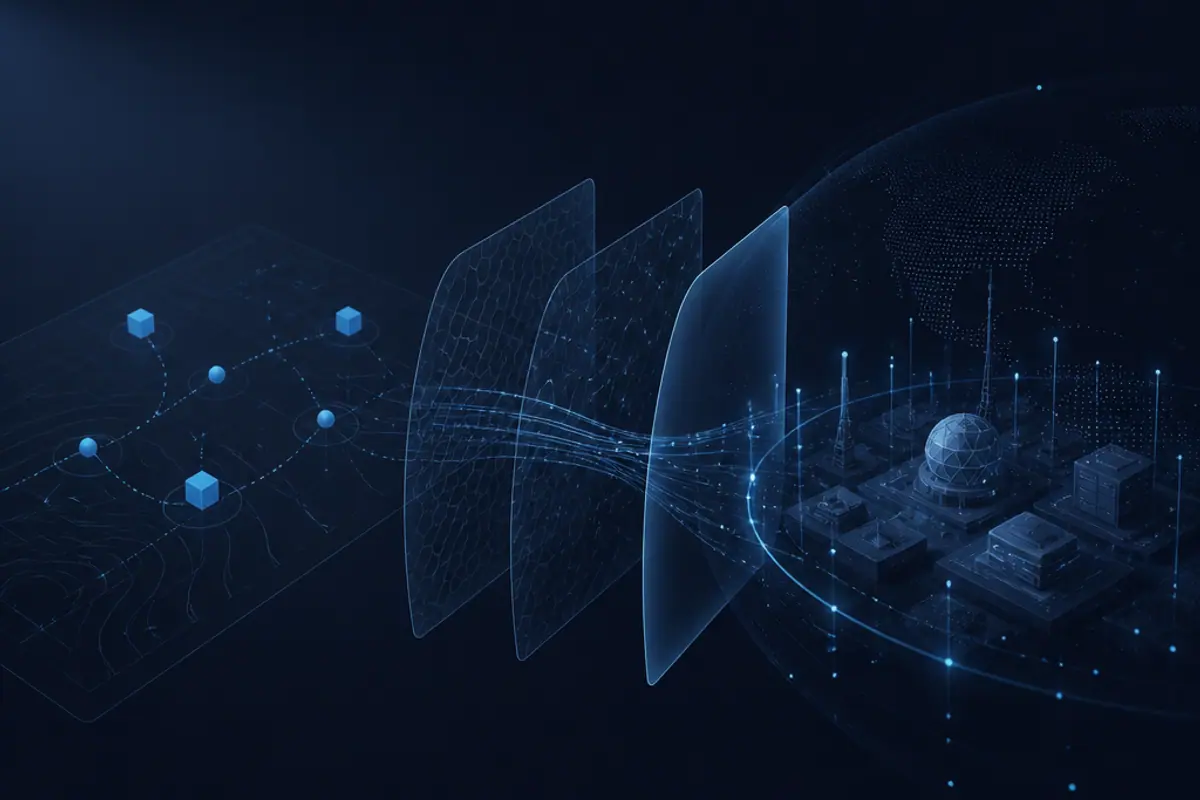
Understanding AI threats is only the beginning. Transforming that awareness into operational defensive capability requires systematic implementation that balances strategic vision with practical execution - and delivers measurable protection against evolving threats.
The executives who read our analysis of AI threat evolution, cognitive warfare risks, and financial services vulnerabilities inevitably ask the same question: "This is terrifying - but what do we actually do about it?"
The gap between AI threat awareness and operational defense capability represents the difference between understanding the problem and solving it. This implementation guide provides the systematic approach needed to transform strategic AI security awareness into measurable defensive capability.
The Implementation Challenge: Beyond Awareness
Most organisations struggle to translate AI threat understanding into effective defensive action because traditional cybersecurity implementation approaches prove inadequate for adaptive, intelligent threats.
The Traditional Implementation Trap
Technology-First Thinking Conventional cybersecurity implementation focuses on deploying security technologies rather than building adaptive defensive capabilities:
Tool Acquisition Bias: Purchasing AI security products without understanding how they integrate into comprehensive defensive strategies
Point Solution Deployment: Implementing individual security tools that address specific threats rather than building systematic adaptive capability
Vendor Dependency Creation: Relying on external security providers rather than developing internal adaptive defensive competency
Compliance-Driven Implementation: Meeting regulatory requirements without building genuine defensive capability against evolving threats
Static Defense Architecture Traditional implementation creates fixed defensive architectures that cannot adapt to evolving AI threats:
Periodic Update Cycles: Security architectures that update quarterly or annually whilst AI threats evolve monthly or weekly
Signature-Based Detection: Implementation of detection systems that rely on known attack patterns rather than adaptive behavioral analysis
Human-Speed Response: Incident response procedures designed for human-speed attacks that cannot keep pace with machine-speed threats
Single-Domain Protection: Implementation focused on technical security without addressing psychological manipulation and business process exploitation
Understanding how future AI threats will evolve reveals why static implementation approaches guarantee defensive obsolescence.
The Adaptive Implementation Imperative
Capability-Based Development Effective AI defense implementation builds adaptive capabilities rather than deploying static technologies:
Evolution Response Capacity: Building organisational ability to develop new defensive capabilities as threats evolve
Cross-Domain Integration: Implementation that addresses technical, psychological, and business process attack vectors simultaneously
Human-AI Collaboration: Development of frameworks that enhance rather than replace human defensive capabilities
Strategic Learning Integration: Implementation that systematically captures and applies lessons from attack exposure
Continuous Adaptation Architecture AI defense implementation must create architectures that evolve alongside the threats they face:
Real-Time Capability Evolution: Security systems that improve their defensive effectiveness through exposure to novel attack patterns
Predictive Threat Preparation: Implementation that prepares for anticipated threat evolution rather than reacting to current attacks
Cross-Organizational Intelligence: Integration with threat intelligence networks that provide evolutionary threat awareness
Strategic Resilience Building: Implementation that strengthens organisational capacity to thrive under unprecedented attack conditions
The VerityAI Implementation Framework
Effective AI defence implementation requires systematic progression through strategic foundations, operational deployment, and continuous evolution phases.
Phase 1: Strategic Foundation Development (Months 1-3)
Executive Alignment and Commitment Successful AI defense implementation begins with genuine executive understanding and commitment that goes beyond traditional cybersecurity budget allocation:
Threat Evolution Education: Executive education on AI threat progression patterns and strategic implications for business operations
Business Impact Assessment: Comprehensive analysis of how AI attacks could affect specific business operations, customer relationships, and competitive position
Strategic Resource Allocation: Budget and personnel commitments that reflect the strategic rather than tactical nature of AI defense implementation
Success Metric Definition: Clear measurement criteria for implementation success that go beyond traditional cybersecurity metrics
Organisational Capability Assessment Understanding current organisational defensive capability provides the foundation for systematic improvement:
Current State Analysis: Comprehensive evaluation of existing security capabilities, human expertise, and organisational resilience
Vulnerability Gap Identification: Systematic identification of specific vulnerabilities to AI-powered ransomware and cognitive warfare attacks
Capacity Development Planning: Strategic planning for building adaptive defensive capabilities over 12-24 month timeframes
Cultural Readiness Evaluation: Assessment of organisational culture capacity to support adaptive defensive evolution
Strategic Architecture Design AI defense implementation requires architectural thinking that goes beyond traditional cybersecurity system design:
Adaptive Defense Architecture: Design of security architectures that can evolve capabilities without fundamental reconstruction
Human-AI Integration Planning: Framework design for effective collaboration between human expertise and AI defensive capabilities
Cross-Domain Coordination: Architecture for coordinated defense across technical, psychological, and business process domains
Evolution Response Design: Planning for systematic adaptation of defensive architecture as threats evolve
Phase 2: Operational Deployment (Months 4-9)
Core Capability Implementation Operational deployment focuses on building fundamental adaptive defensive capabilities:
Intelligent Threat Detection Implementation of detection capabilities that identify novel attack patterns without requiring prior knowledge:
Behavioral Pattern Analysis: Deployment of systems that identify attacks through behavioral analysis rather than signature matching
Cross-Domain Intelligence Integration: Implementation of threat intelligence systems that correlate information across technical, human, and business domains
Predictive Threat Recognition: Development of capability to identify attack precursors and preparation activities before attacks launch
Real-Time Adaptation: Implementation of detection systems that improve their effectiveness through exposure to novel attack patterns
Adaptive Response Coordination Building response capabilities that can adapt to attack evolution during incident management:
Dynamic Response Orchestration: Implementation of response systems that coordinate across multiple domains and adapt to attack evolution
Human-AI Decision Integration: Development of decision-making frameworks that combine human strategic thinking with AI analytical capability
Stakeholder Communication Systems: Implementation of communication capabilities that function effectively during sophisticated psychological manipulation campaigns
Recovery Acceleration: Development of recovery capabilities that become more effective through attack exposure experience
Cognitive Resilience Development Implementation of capabilities that protect organisational decision-making from sophisticated psychological manipulation:
Executive Decision Protection: Development of frameworks that maintain executive decision-making quality under psychological pressure
Information Environment Control: Implementation of systems that provide reliable information sources during manipulation campaigns
Cultural Resistance Building: Development of organisational culture characteristics that resist systematic psychological manipulation
Authority Structure Protection: Implementation of protection for communication channels and authority relationships that attackers might exploit
Phase 3: Continuous Evolution (Months 10+)
Adaptive Capability Maturation Long-term implementation success requires continuous evolution of defensive capabilities:
Learning System Integration Implementation of systems that systematically capture and apply lessons from attack exposure:
Attack Pattern Evolution Tracking: Systematic monitoring of how attacks evolve and development of countermeasures for anticipated evolution
Defensive Effectiveness Analysis: Continuous assessment of defensive capability effectiveness and identification of improvement opportunities
Strategic Intelligence Integration: Integration of strategic threat intelligence that enables preparation for threats that don't yet exist
Cross-Organizational Learning: Participation in industry threat intelligence sharing and collaborative defensive development
Capability Evolution Management Building organisational capacity to evolve defensive capabilities as fast as threats develop:
Research and Development Integration: Connection between threat research and defensive capability development
Innovation Under Pressure: Development of organisational capacity to create novel defensive approaches during unprecedented attack scenarios
Strategic Adaptation: Building capacity to modify fundamental defensive strategies when threat evolution requires architectural changes
Future Readiness Development: Preparation for defensive requirements that will emerge as AI capabilities advance
Implementation Success Metrics
AI defense implementation success cannot be measured using traditional cybersecurity metrics because effectiveness depends on adaptive capability rather than static protection.
Capability Maturation Metrics
Adaptive Response Effectiveness Measuring organisational capacity to respond effectively to novel attack patterns:
Novel Threat Recognition Speed: Time required to identify and understand attack techniques not previously encountered
Response Adaptation Rate: Speed of developing effective countermeasures against evolving attack strategies
Cross-Domain Coordination: Effectiveness of coordinated response across technical, psychological, and business domains
Strategic Learning Integration: Organisational capacity to incorporate attack lessons into improved defensive strategies
Resilience Under Pressure Assessing organisational performance when facing sustained, sophisticated attacks:
Decision-Making Quality Maintenance: Preservation of sound strategic and operational decisions under psychological pressure and information uncertainty
Operational Continuity: Capacity to maintain critical business functions during coordinated multi-vector attacks
Stakeholder Relationship Management: Effectiveness of maintaining customer, partner, and regulatory relationships during crisis periods
Recovery and Improvement: Speed and effectiveness of returning to enhanced operational capability after attack exposure
Strategic Capability Development
Future Threat Preparedness Evaluating organisational readiness for AI threat evolution beyond current attack patterns:
Anticipatory Defense Development: Capacity to build defensive capabilities for threats that don't yet exist
Architecture Evolution: Ability to evolve security architecture alongside threat development without fundamental reconstruction
Human-AI Collaboration Optimization: Effectiveness of human-AI defensive collaboration under attack conditions
Innovation Capacity: Organisational ability to develop novel defensive approaches when facing unprecedented challenges
For organisations conducting AI red teaming exercises, implementation success metrics should align with testing results to ensure continuous improvement cycles.
Common Implementation Pitfalls
Understanding and avoiding common implementation failures significantly increases the probability of building effective AI defensive capability.
Technology-Centric Implementation Failures
Over-Reliance on AI Security Products The most common implementation failure involves assuming that purchasing AI security products creates AI defensive capability:
Vendor Solution Dependency: Believing that external AI security products can substitute for internal adaptive defensive capability development
Integration Complexity Underestimation: Failing to account for the complexity of integrating AI security tools with existing infrastructure and processes
Skill Gap Ignorance: Implementing AI security technologies without developing internal expertise to operate and adapt them effectively
Capability vs. Product Confusion: Confusing AI security product deployment with adaptive defensive capability development
Static Architecture Implementation Traditional security implementation approaches create architectures that cannot adapt to AI threat evolution:
Fixed Configuration Deployment: Implementing security systems with static configurations that cannot evolve alongside threat development
Periodic Update Dependency: Creating architectures that require manual updates rather than continuous adaptive evolution
Single-Domain Focus: Implementing technical security without addressing psychological manipulation and business process exploitation
Human Response Speed Assumptions: Building response procedures designed for human-speed threats that cannot keep pace with machine-speed attacks
Organisational Implementation Failures
Cultural Resistance Underestimation AI defense implementation requires significant organisational culture changes that are often underestimated:
Executive Commitment Superficiality: Leadership support that focuses on budget allocation rather than fundamental strategic approach changes
Change Management Inadequacy: Underestimating the organisational change management required for effective AI defense implementation
Skill Development Neglect: Failing to invest in human capability development alongside technology implementation
Cultural Integration Failure: Implementing AI defensive technologies without integrating them into organisational culture and decision-making processes
The VerityAI Implementation Advantage
VerityAI's implementation approach focuses on building adaptive defensive capability rather than deploying static security technologies.
Our implementation framework provides:
Strategic Foundation Development: Executive education, capability assessment, and architectural design that creates sustainable implementation success
Operational Deployment Support: Systematic deployment of adaptive defensive capabilities with continuous effectiveness monitoring
Evolution Management: Long-term capability development that ensures defensive evolution keeps pace with threat development
Success Measurement: Metrics and assessment frameworks that measure adaptive capability rather than static protection
The question isn't whether your organisation will implement AI defences - it's whether your implementation will create adaptive capability that evolves alongside the threats you face.
Frequently asked questions
What is AI defence implementation?
AI defence implementation is the process of turning AI threat awareness into working defensive capability. It covers strategic foundations, operational deployment, and ongoing evolution, rather than a single technology rollout.
Why do AI security product purchases often fail to deliver protection?
Buying an AI security product builds a capability only if the organisation also develops the internal expertise to operate, integrate, and adapt it. Without that, the product sits on top of unchanged processes and static architecture.
How long does AI defence implementation take?
Implementation runs in phases: strategic foundation work, operational deployment, and continuous evolution. It's an ongoing capability-building programme rather than a project with a fixed end date.
What is the biggest implementation pitfall to avoid?
Treating AI defence as a technology deployment rather than a capability build. Architecture, human skill development, and organisational culture all need to move together for the implementation to hold up under real attack conditions.
Ready to transform AI threat awareness into operational defensive capability? Begin your systematic AI defence implementation before evolving threats outpace static defensive thinking.
More on how we approach it: AI implementation done responsibly.

Sotiris Spyrou
Sotiris Spyrou is the founder of VerityAI, a Responsible AI advisory for boards and AI-deploying businesses. With 27 years across agencies and global in-house roles, including Global Head of SEO at Robert Half and Group Head of Search at Gamesys, he advises leaders on AI governance and risk, and on answer-engine visibility engineered without the dark patterns the rest of the industry is getting penalised for. He is the author of TRANSFORM, AI Moats, and Ethical AI.
Founder at VerityAI
Areas of Expertise: