Controls Implementation for Risk Mitigation: Deploying Effective AI Safeguards
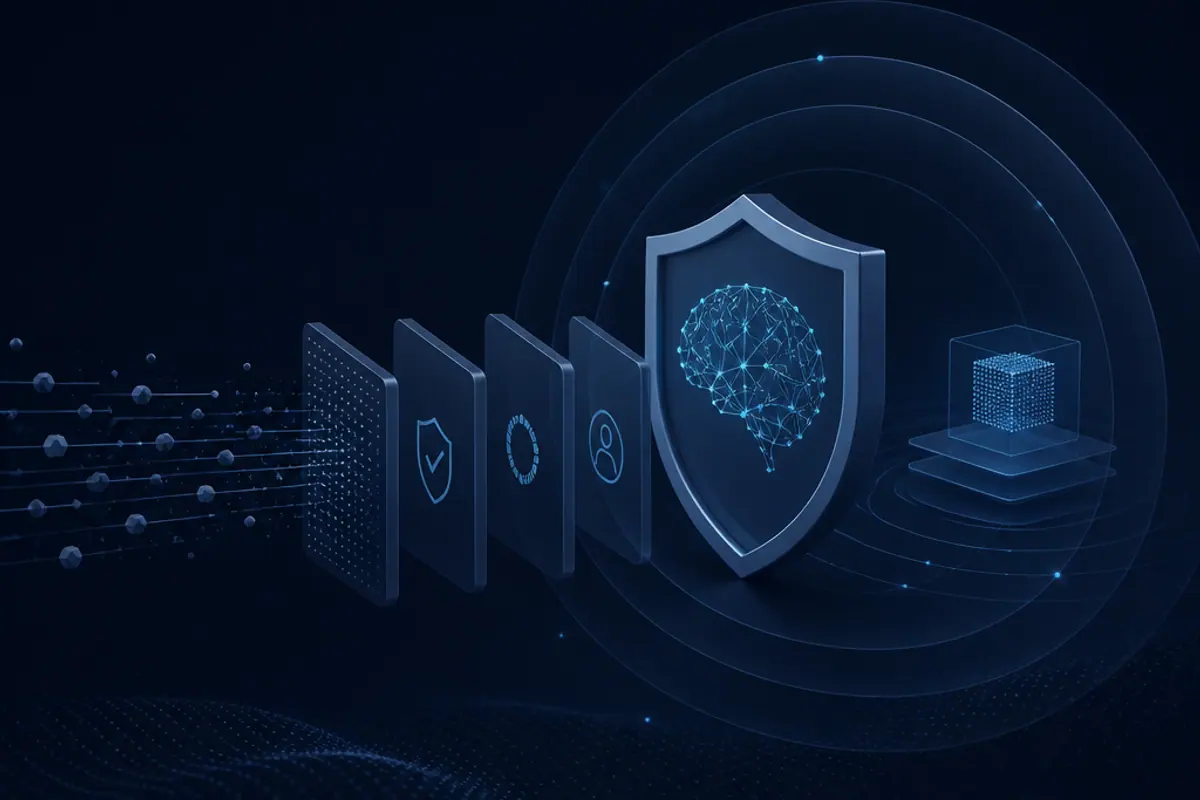
Controls Implementation for Risk Mitigation: Deploying Effective AI Safeguards
Controls implementation is the practical work of putting technical, operational, and governance safeguards in place so an AI system's risks are actually managed, not just documented on paper. This guide sets out practical frameworks for deploying those controls in social services and government environments, with guidance on selection, implementation, and performance monitoring.
Why Generic Controls Fail for AI Risk Mitigation
Consider a scenario where a local council implements an AI-powered benefit fraud detection system, applying standard IT controls - access management, data encryption, backup procedures, and security monitoring. An equality audit some months later reveals the system is systematically flagging a disproportionate share of claims from ethnic minority applicants for investigation, despite similar fraud rates across demographic groups.
The investigation finds that while technical controls are functioning correctly, they haven't addressed AI-specific risks. The council has robust data security but no bias detection. They have comprehensive access controls but inadequate explainability mechanisms. They have thorough backup procedures but no model drift monitoring.
This hypothetical experience reflects a broader challenge that parliamentary and regulatory scrutiny of public sector algorithms has repeatedly raised: traditional IT controls, while necessary, are insufficient for AI risk mitigation. Progress in embedding AI transparency across the public sector remains slow, and reporting on algorithm-assisted decision making has been criticised as inconsistent.
The consequences extend beyond technical performance. In social services and government, inadequate AI controls can perpetuate discrimination, undermine democratic accountability, and cause direct harm to vulnerable populations. Fairness reviews of AI-assisted fraud detection systems in government have raised concerns about disparities in outcomes across protected characteristics, underscoring why bias controls cannot be an afterthought.
If you're responsible for AI risk mitigation, you're likely facing complex questions: Which controls are most effective for different types of AI risks? How do you implement controls that protect vulnerable populations without hindering service delivery? How do you monitor control effectiveness when AI systems evolve continuously?
This guide provides systematic frameworks for selecting, implementing, and monitoring AI controls that effectively mitigate risks whilst enabling beneficial AI deployment in public sector environments.
Understanding AI-Specific Control Requirements
Control Categories for AI Risk Mitigation
Technical Controls: Embedded Risk Mitigation Controls built into AI systems themselves:
Bias Mitigation Controls:
Preprocessing controls: Data bias correction and demographic balance monitoring
Algorithmic constraints: Fairness constraints and demographic parity requirements
Postprocessing calibration: Output calibration across different groups
Continuous monitoring: Real-time bias detection and alerting systems
Automatic alerts: Threshold-based notifications when disparities exceed acceptable levels
Robustness Controls:
Input validation: Comprehensive input sanitization and anomaly detection
Uncertainty quantification: Confidence scoring and uncertainty bounds
Drift detection: Performance monitoring and model degradation identification
Fallback mechanisms: Graceful degradation when AI confidence is low
Anomaly detection: Outlier identification and handling procedures
Operational Controls: Human Oversight and Process Safeguards Controls governing how humans interact with AI systems:
Operational Control Framework for AI Systems
Professional Review Requirements:
Mandatory human review for high-stakes decisions affecting vulnerable populations
Qualified professional assessment of AI recommendations before implementation
Escalation procedures for complex or uncertain AI outputs
Professional override capabilities with clear documentation requirements
Training and Competency Controls:
Comprehensive training on AI capabilities, limitations, and appropriate use
Regular competency assessment and refresher training
Professional development on bias recognition and mitigation
Integration with existing professional supervision and support structures
Quality Assurance Controls:
Regular sampling and review of AI-influenced decisions
Supervisor review of AI usage patterns and professional judgment application
Peer review and consultation mechanisms for complex cases
Performance monitoring and feedback integration
Governance Controls: Organizational and Democratic Oversight Controls ensuring appropriate institutional accountability:
Policy Framework Controls:
AI ethics policy: Comprehensive ethical framework for AI deployment
Risk management policy: Systematic risk governance procedures
Data governance policy: Data handling and protection requirements
Procurement policy: Vendor assessment and accountability standards
Incident response policy: Structured incident management and learning
Democratic Accountability Controls:
Elected oversight: Political accountability for AI deployment decisions
Public reporting: Regular transparency reporting on AI performance
Community engagement: Consultation mechanisms with affected communities
Independent audit: External assessment of AI compliance and effectiveness
Complaint mechanisms: Accessible appeals and grievance procedures
Risk-Based Control Selection Framework
Systematic Risk-Control Mapping
AI Risk Assessment Integration Connecting identified risks to appropriate control measures:
Risk-Control Mapping Framework
High-Impact Risks Requiring Multiple Control Layers:
Algorithmic Bias Affecting Vulnerable Populations:
Technical Controls: Bias detection algorithms, fairness constraints, demographic parity monitoring
Operational Controls: Enhanced human review, community consultation, advocacy involvement
Governance Controls: Regular bias auditing, public reporting, democratic oversight
AI-Influenced Decisions Affecting Essential Services:
Technical Controls: Uncertainty quantification, explainability mechanisms, input validation
Operational Controls: Mandatory professional review, appeal processes, alternative pathways
Governance Controls: Policy frameworks, accountability structures, incident response procedures
Privacy Violations Through AI Processing:
Technical Controls: Data minimization, privacy-preserving computation, access controls
Operational Controls: Consent management, data subject rights procedures, staff training
Governance Controls: Privacy impact assessments, regulatory compliance monitoring, audit arrangements
Medium-Impact Risks Requiring Focused Controls:
AI Performance Degradation Over Time:
Technical Controls: Performance monitoring, drift detection, model retraining protocols
Operational Controls: Quality assurance procedures, escalation mechanisms, professional oversight
Governance Controls: Performance reporting, review cycles, improvement planning
Professional Deskilling Through AI Over-Reliance:
Technical Controls: Confidence scoring, uncertainty indication, human override mechanisms
Operational Controls: Training programs, competency assessment, supervision requirements
Governance Controls: Professional development policy, performance monitoring, culture change initiatives
Control Effectiveness Assessment
Evidence-Based Control Selection Choosing controls based on demonstrated effectiveness requires analyzing historical performance, contextual suitability, implementation feasibility, cost-benefit ratios, and stakeholder acceptance.
Historical Analysis Framework:
Peer organization experience: Learning from similar implementations
Academic research evidence: Evidence-based control effectiveness studies
Vendor performance data: Track record analysis of control providers
Regulatory guidance: Official recommendations and best practices
Incident analysis: Learning from control failure cases
Implementation Patterns and Best Practices
Phased Implementation Approach
Control Implementation Phases
Phase 1: Foundation Controls (Months 1-3)
Critical Safety Controls:
Basic bias detection and alerting systems
Human oversight requirements for high-stakes decisions
Data protection and privacy controls
Incident response and escalation procedures
Immediate Risk Mitigation:
Controls addressing highest-impact, highest-likelihood risks
Essential compliance requirements (GDPR, Equality Act)
Professional oversight and accountability mechanisms
Basic transparency and explanation capabilities
Phase 2: Enhanced Protection (Months 4-6)
Vulnerable Population Protections:
Enhanced bias monitoring for protected characteristics
Specialized controls for vulnerable population processing
Accessibility and accommodation mechanisms
Community engagement and consultation processes
Advanced Technical Controls:
Sophisticated bias mitigation algorithms
Advanced explainability and transparency mechanisms
Robust performance monitoring and drift detection
Privacy-preserving computation techniques
Phase 3: Optimization and Innovation (Months 7-12)
Performance Enhancement:
Advanced monitoring and optimization systems
Predictive risk identification and mitigation
Automated control adjustment and optimization
Integration with broader organizational risk management
Strategic Integration:
Integration with organizational strategy and planning
Cross-system control coordination and optimization
Innovation in control effectiveness and efficiency
Best practice sharing and industry leadership
Layered Defense Strategy
Multiple Complementary Controls addressing the same risks through layered implementation:
Prevention Layer:
Design controls: Secure-by-design principles and risk-aware development
Input controls: Comprehensive validation and sanitization
Process controls: Systematic safeguards throughout AI workflows
Access controls: Appropriate restrictions on AI system access
Training controls: Competency requirements for AI system users
Detection Layer:
Monitoring systems: Continuous performance and bias monitoring
Alerting mechanisms: Automated notifications of control threshold breaches
Audit procedures: Regular systematic assessment of control effectiveness
Feedback systems: Stakeholder input on control performance
Performance tracking: Metrics-based control assessment
Response Layer:
Incident response: Structured procedures for control failures
Escalation mechanisms: Clear pathways for serious control breaches
Mitigation procedures: Immediate steps to reduce harm
Communication protocols: Stakeholder notification and transparency
Learning integration: Systematic improvement based on incidents
Monitoring and Performance Assessment
Control Performance Metrics
Effectiveness Measurement Framework
Quantitative Performance Metrics:
Risk Reduction Metrics: Reduction in identified risk incidents or near-misses
Improvement in bias detection and correction rates
Decrease in complaints or appeals related to AI decisions
Enhanced compliance with regulatory requirements
Operational Efficiency Metrics:
Control implementation cost and resource utilization
Impact on service delivery speed and quality
Staff satisfaction with control implementation
User experience with control-enhanced systems
Technical Performance Metrics:
Control system availability and reliability
False positive/negative rates for detection controls
Response time for control activation and intervention
Integration efficiency with existing systems
Qualitative Assessment Dimensions:
Professional staff confidence in control effectiveness
Service user satisfaction with protection and transparency
Management confidence in risk mitigation
Community and advocacy group assessment of protection adequacy
Continuous Improvement Framework
Adaptive Control Enhancement based on performance evidence requires systematic cycles of analysis, gap identification, improvement planning, enhancement implementation, and impact assessment.
Performance Analysis Components:
Effectiveness assessment: Risk mitigation success measurement
Efficiency evaluation: Resource utilization optimization
Stakeholder feedback: User and community satisfaction analysis
Comparative benchmarking: Performance against industry best practices
Trend analysis: Performance evolution over time
Specialized Controls for Vulnerable Populations
Enhanced Protection Mechanisms
Vulnerable Population Control Framework
Capacity-Responsive Controls:
Mental Capacity Considerations:
Dynamic capacity assessment integration with AI processing decisions
Supported decision-making mechanisms for AI involvement consent
Best interests assessment procedures when capacity is lacking
Regular capacity review and AI processing adjustment
Enhanced Consent Controls:
Accessible consent mechanisms for diverse populations
Independent advocacy support for AI processing decisions
Granular consent options for different AI processing purposes
Easy withdrawal mechanisms with clear service impact explanation
Cultural Competency Controls:
Cultural Sensitivity Mechanisms:
Cultural competency assessment of AI system outputs
Community engagement in AI system design and monitoring
Alternative service pathways respecting cultural preferences
Regular cultural impact assessment and adjustment
Accessibility Controls:
Reasonable adjustment mechanisms for disabled service users
Alternative communication methods for AI interaction
Accessible information formats for AI involvement explanation
Barrier identification and removal for AI-supported services
Community Oversight and Engagement
Democratic Participation in Control Design Involving affected communities in control development through:
Advisory Structures:
Community advisory groups: Representative oversight bodies for AI governance
Regular consultation cycles: Systematic engagement with affected communities
Decision authority mechanisms: Meaningful influence on AI control design
Participation support: Resources enabling effective community involvement
Feedback integration: Systematic incorporation of community input
Participatory Risk Assessment:
Community risk workshops: Collaborative identification of AI risks
Lived experience insight: Understanding impacts from user perspectives
Cultural competency review: Ensuring respect for diverse values and practices
Accessibility assessment: Reviewing AI accessibility for people with disabilities
Building Organizational Control Capability
Control Culture Development
Embedding Controls in Organizational Culture requires moving beyond compliance to genuine control integration through:
Leadership commitment: Visible senior leadership support for comprehensive control implementation
Professional development: Training and competency development supporting control effectiveness
Performance integration: Control effectiveness included in individual and organizational performance assessment
Recognition systems: Celebration and reward for excellent control implementation and innovation
Learning culture: Openness to control improvement and adaptation based on experience and evidence
Cross-Functional Control Coordination
Integrated Control Management
Technical-Operational Integration:
Technical control outputs informing operational procedures
Operational feedback improving technical control effectiveness
Shared responsibility for control performance and improvement
Integrated training covering both technical and operational aspects
Governance-Operations Alignment:
Governance policies supporting operational control implementation
Operational experience informing governance framework evolution
Clear accountability and responsibility for control effectiveness
Regular communication and coordination between governance and operations
Stakeholder-Control Integration:
Stakeholder feedback directly influencing control design and improvement
Control performance transparency supporting stakeholder confidence
Community involvement in control oversight and evaluation
Professional expertise informing control technical requirements
Building effective AI control implementation requires sustained commitment to systematic design, evidence-based selection, and continuous improvement. Organizations that invest in comprehensive, adaptive control frameworks will be better positioned to mitigate AI risks whilst enabling beneficial AI deployment for vulnerable populations.
For related guidance on AI governance and risk management, explore our coverage of vendor assessment methodologies for AI and documentation standards for regulated AI. Understanding how controls integrate with broader NIST AI RMF implementation is essential for comprehensive AI governance.
Frequently asked questions
What is controls implementation in AI risk management?
Controls implementation is the process of putting technical, operational, and governance safeguards into practice so an AI system's known risks are actively managed rather than just identified on paper. It covers everything from bias detection built into the system itself to the human review processes and policies that sit around it.
What's the difference between technical, operational, and governance controls?
Technical controls are built into the AI system itself, such as bias detection or input validation. Operational controls govern how people interact with the system day to day, like mandatory human review for high-stakes decisions. Governance controls sit at the organisational level, covering policy frameworks and democratic accountability.
Why do standard IT controls fall short for AI systems?
Standard IT controls, such as access management and encryption, address data security but don't touch AI-specific risks like bias, explainability, or model drift. An organisation can have strong conventional security and still deploy an AI system that produces discriminatory outcomes.
How do you know if AI controls are actually working?
Control effectiveness needs ongoing measurement, not a one-off check. That means tracking things like bias detection rates, complaint volumes, and control system reliability over time, alongside qualitative feedback from staff and the people affected by the system.
Enhance Your AI Control Implementation
Implementing effective AI controls requires expertise spanning technical design, operational integration, and governance frameworks. Many organizations struggle to move beyond basic IT controls to address AI-specific risks effectively.
VerityAI provides control implementation advisory support designed specifically for social services and government AI deployments. In our advisory work, we help organisations build risk-control mapping, implementation guidance, and performance monitoring approaches that support effective safeguards whilst maintaining operational efficiency.
Talk to us about implementing effective AI controls and building systematic control frameworks that protect vulnerable populations whilst enabling beneficial AI deployment.
Ready to build comprehensive risk mitigation? Access our Complete Guide to Responsible AI Implementation for Social Services & Government for strategic frameworks that put effective control implementation at the center of AI governance.
More on how we approach it: AI transformation.

Sotiris Spyrou
Sotiris Spyrou is the founder of VerityAI, a Responsible AI advisory for boards and AI-deploying businesses. With 27 years across agencies and global in-house roles, including Global Head of SEO at Robert Half and Group Head of Search at Gamesys, he advises leaders on AI governance and risk, and on answer-engine visibility engineered without the dark patterns the rest of the industry is getting penalised for. He is the author of TRANSFORM, AI Moats, and Ethical AI.
Founder at VerityAI
Areas of Expertise: