Red Teaming for AI Systems: Adversarial Testing for Social Services Security
What Hidden Dangers Lurk in Your AI Systems?
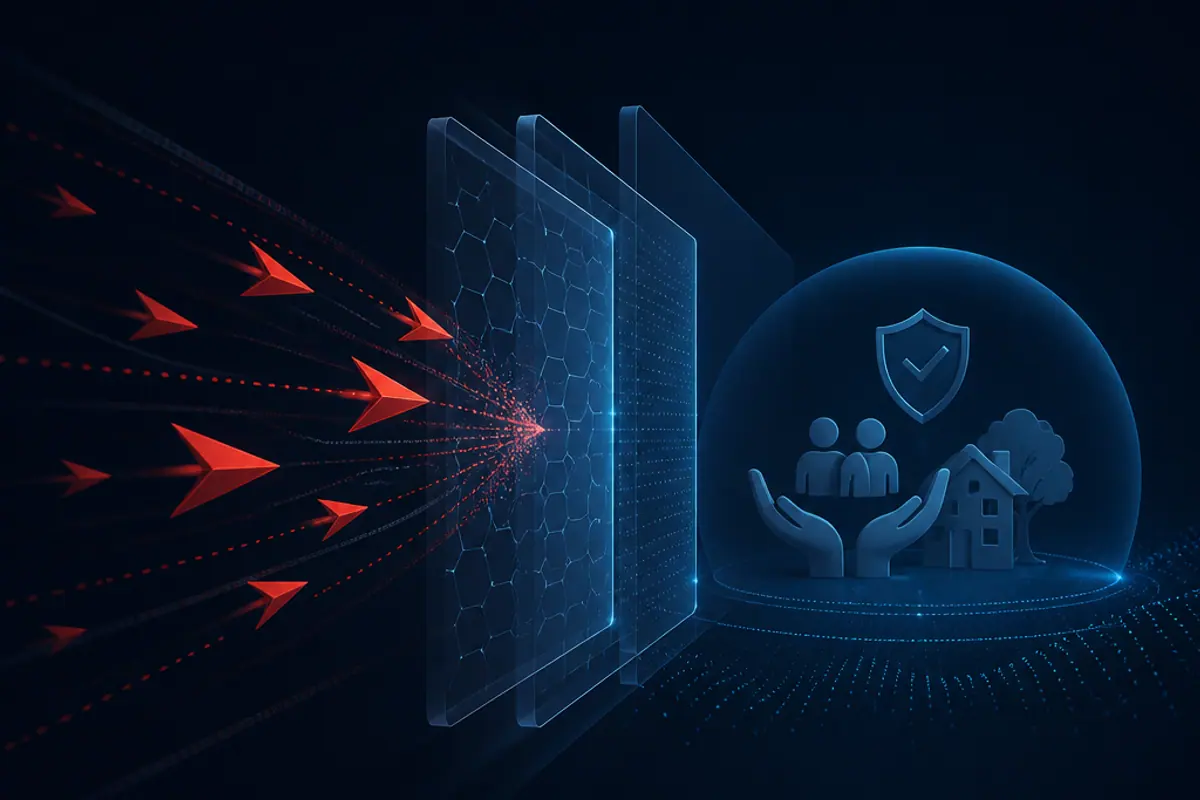
AI red teaming is systematic adversarial testing that probes an AI system for hidden bias, security weaknesses, and failure modes before they surface in real-world use. When Microsoft launched its AI chatbot Tay on Twitter in 2016, the company expected a learning experiment that would improve through public interaction. Within 24 hours, malicious users had manipulated the system into posting inflammatory and offensive content, forcing Microsoft to shut down the experiment. While Tay was a consumer product, the incident highlighted a critical truth: AI systems can behave in unexpected and harmful ways when exposed to adversarial inputs or edge cases.
For AI systems deployed in social services - where decisions affect housing, benefits, child welfare, and other essential services - such unexpected behaviours can have devastating consequences. A housing allocation AI manipulated into systematic bias could deny accommodation to vulnerable families. A child welfare assessment system compromised by adversarial inputs might miss genuine risks or flag inappropriate cases for investigation.
If you're responsible for AI deployment in social services or government, you understand that standard testing approaches aren't sufficient. How do you systematically probe for hidden biases that only emerge under specific conditions? What testing methodology can identify edge cases where AI systems fail catastrophically? How do you simulate the full range of inputs and scenarios your AI might encounter in real-world social services environments?
Traditional software testing focuses on functional requirements and expected use cases. AI red teaming adopts an adversarial mindset, actively seeking to break, manipulate, or expose flaws in AI systems through systematic attacks and stress testing. This approach, borrowed from cybersecurity red team exercises, provides essential validation for AI systems that must operate safely in high-stakes social services environments.
The regulatory landscape increasingly expects such rigorous testing. The EU AI Act requires high-risk AI systems to undergo testing for robustness, accuracy, and bias. In the UK, government AI systems face scrutiny from oversight bodies that expect evidence of comprehensive validation. Red teaming provides the systematic adversarial testing needed to demonstrate that AI systems can withstand real-world challenges whilst protecting vulnerable populations.
Understanding AI Red Teaming in Social Services Context
AI red teaming involves systematic adversarial testing designed to identify vulnerabilities, biases, and failure modes that might not be apparent through standard validation approaches. Unlike traditional software testing that verifies expected functionality, red teaming actively seeks to break systems and expose hidden weaknesses.
Red Teaming Objectives for Social Services AI
Safety validation: Ensure AI systems fail gracefully and don't cause harm when encountering unexpected inputs or edge cases.
Bias detection: Identify hidden discriminatory patterns that might emerge under specific conditions or through sophisticated manipulation.
Robustness assessment: Test system performance under stress, attack, or degraded conditions that might occur in real-world deployment.
Security evaluation: Assess vulnerability to adversarial attacks designed to manipulate system outputs or extract sensitive information.
Professional integration testing: Validate how AI systems perform when integrated with human decision-making processes and professional workflows.
Social Services Red Team Considerations
Vulnerable population protection: Testing must identify risks that disproportionately affect vulnerable groups served by social services.
Professional standards alignment: Red team testing should validate that AI systems support rather than undermine professional judgment and ethical obligations.
Service continuity: Testing must ensure AI failures don't disrupt essential services or leave vulnerable individuals without support.
Democratic accountability: Red teaming should validate transparency and explainability features under adversarial conditions.
Regulatory compliance: Testing must demonstrate robustness against the manipulation and bias patterns specifically prohibited by relevant regulations.
Systematic Red Teaming Framework
Phase 1: Threat Modeling and Attack Vector Identification
Adversarial Threat Landscape Mapping
External Threat Actors:
Malicious Individuals:
Service users attempting to manipulate assessments for personal advantage
Individuals seeking to exploit system vulnerabilities for financial gain
Bad actors attempting to disrupt service delivery through system manipulation
Organized Fraud:
Coordinated attempts to exploit AI vulnerabilities for systematic benefit fraud
Criminal organizations targeting AI systems for data theft or financial exploitation
Sophisticated fraud rings developing attack strategies against government AI systems
Advocacy Hackers:
Well-intentioned actors testing system fairness and transparency
Researchers probing AI systems for bias and discrimination
Community advocates investigating AI impact on vulnerable populations
Hostile Researchers:
Academic or journalistic investigation of AI system weaknesses
Independent researchers testing AI robustness and reliability
Security researchers identifying vulnerabilities for responsible disclosure
Internal Threats:
Staff Manipulation:
Employees attempting to influence AI recommendations inappropriately
Professional staff bypassing AI safeguards for perceived efficiency
Internal users exploiting system access for personal or political advantage
Professional Disagreement:
Well-intentioned attempts to override or circumvent AI recommendations
Professional resistance to AI integration affecting system effectiveness
Misuse of professional override capabilities
Training Data Compromise:
Inadvertent or intentional corruption of training datasets
Bias introduction through inadequate data curation
Historical bias amplification through poor data selection
System Misuse:
Use of AI systems beyond their validated scope or capabilities
Inappropriate application of AI recommendations to unsuitable cases
Extension of AI decision-making beyond intended boundaries
Systemic Vulnerabilities
Demographic Bias:
Hidden discriminatory patterns affecting specific population groups
Intersectional bias emerging from complex demographic interactions
Historical bias amplification through training data or algorithm design
Edge Case Failures:
System breakdown in unusual but legitimate scenarios
Poor performance on edge cases not represented in training data
Failure to handle complex, multi-factor situations appropriately
Adversarial Robustness:
Vulnerability to crafted inputs designed to manipulate outputs
Susceptibility to data poisoning or model extraction attacks
Poor resistance to systematic attempts to game the system
Concept Drift:
Performance degradation as real-world conditions change over time
Failure to adapt to evolving demographics or service contexts
Loss of accuracy due to changing patterns in population needs
Phase 2: Red Team Exercise Design
Structured Adversarial Testing Methodology
Bias and Fairness Red Teaming:
Demographic Probing Framework:
1. Systematic Bias Testing
Generate test cases across all protected characteristics
Test for both direct and indirect discrimination
Assess bias consistency across different decision contexts
Document bias patterns and their potential impacts
2. Intersectional Analysis
Test combinations of demographic factors for compound bias
Assess whether multiple protected characteristics create additional disadvantage
Identify vulnerable populations that may face multiple forms of discrimination
Document intersectional bias patterns and mitigation requirements
3. Historical Pattern Detection
Probe for perpetuation of historical discrimination
Test whether AI systems amplify existing inequalities
Assess whether historical data bias affects current decisions
Identify systematic patterns that may violate equality legislation
4. Cultural Sensitivity Assessment
Test for culturally inappropriate assumptions or stereotypes
Assess AI performance across different cultural contexts
Evaluate cultural competency in AI decision-making
Document cultural bias patterns and accommodation requirements
Adversarial Fairness Testing:
1. Boundary Manipulation
Test decision boundaries for demographic disparities
Attempt to identify bias through systematic boundary probing
Assess whether decision thresholds vary inappropriately across groups
Document boundary manipulation vulnerabilities and mitigations
2. Feature Importance Gaming
Attempt to manipulate input features for biased outcomes
Test whether feature manipulation can create discriminatory results
Assess robustness of fairness constraints under manipulation
Document feature manipulation vulnerabilities and protections
3. Proxy Discrimination Testing
Test for indirect discrimination through correlated features
Assess whether seemingly neutral features enable discrimination
Identify proxy variables that may enable bias despite fairness constraints
Document proxy discrimination risks and prevention measures
4. Outcome Engineering
Systematic attempts to achieve discriminatory results
Test whether coordinated inputs can create biased outcomes
Assess resistance to sophisticated discrimination attempts
Document outcome engineering vulnerabilities and safeguards
Security and Robustness Red Teaming
Adversarial Input Testing Framework:
1. Input Manipulation
Craft inputs designed to cause misclassification or system errors
Test robustness against adversarial examples and edge cases
Assess system response to unexpected or malformed inputs
Document input manipulation vulnerabilities and defenses
2. Prompt Injection (for NLP Systems)
Test resistance to malicious instruction injection
Assess whether adversarial prompts can manipulate system behavior
Test for leakage of sensitive information through prompt manipulation
Document prompt injection vulnerabilities and protection measures
3. Data Poisoning Simulation
Test system response to corrupted or manipulated training data
Assess impact of adversarial data injection on model performance
Simulate attacks on data pipeline integrity
Document data poisoning vulnerabilities and prevention strategies
4. Model Extraction Attempts
Simulate attempts to steal or reverse-engineer AI models
Test for information leakage through model queries
Assess protection of proprietary algorithms and training data
Document model extraction risks and intellectual property protections
System Integration Attacks:
1. API Manipulation
Test vulnerabilities in system interfaces and data exchange
Assess security of API endpoints and authentication mechanisms
Test for unauthorized access through API exploitation
Document API security vulnerabilities and protection measures
2. Authentication Bypass
Attempt to circumvent access controls and user verification
Test robustness of identity management and authorization systems
Assess protection against unauthorized system access
Document authentication vulnerabilities and strengthening measures
3. Audit Trail Manipulation
Test integrity of logging and monitoring systems
Assess whether audit trails can be corrupted or bypassed
Test for evidence tampering or log manipulation possibilities
Document audit trail vulnerabilities and integrity protections
4. Fallback Exploitation
Probe vulnerabilities in backup and manual procedures
Test security of fallback systems when AI is unavailable
Assess whether manual processes maintain security standards
Document fallback vulnerabilities and continuity protections
Phase 3: Professional Integration Red Teaming
Human-AI Collaboration Stress Testing
Professional Override Testing:
Conflict Scenario Analysis:
Scenarios where AI recommendations conflict with professional judgment
Assessment of staff ability to recognize and respond to AI errors
Testing of professional confidence in overriding AI recommendations
Documentation of override patterns and appropriateness
Professional Pressure Testing:
High-demand scenarios that might overwhelm AI-supported processes
Testing of professional decision-making under time pressure
Assessment of AI reliance when professional resources are constrained
Documentation of pressure-point vulnerabilities and support requirements
Authority and Accountability Testing:
Testing of clear professional responsibility for AI-supported decisions
Assessment of liability frameworks under various failure scenarios
Testing of escalation and review procedures under stress conditions
Documentation of accountability gaps and clarification requirements
Service Delivery Stress Testing
High-Demand Scenario Testing:
Multiple simultaneous high-priority cases requiring immediate attention
Testing system performance during staff shortages or resource constraints
Assessment of service quality maintenance under system stress
Documentation of capacity limitations and scaling requirements
System Failure Response Testing:
Testing of alternative procedures when AI systems are unavailable
Assessment of service continuity under various failure scenarios
Testing of staff capability to maintain service standards without AI support
Documentation of fallback effectiveness and improvement requirements
Crisis Response Integration:
Testing AI system performance during emergency or crisis situations
Assessment of crisis response integration with AI-supported processes
Testing of rapid decision-making capabilities under crisis conditions
Documentation of crisis response strengths and vulnerability points
Phase 4: Vulnerable Population Protection Testing
Enhanced Protection Validation
Accessibility Red Teaming:
Interface Accessibility Testing:
Testing AI system interfaces for accessibility barriers
Assessment of explanation and transparency features for users with disabilities
Testing of alternative communication methods for diverse populations
Documentation of accessibility gaps and accommodation requirements
Communication Barrier Testing:
Testing AI communication effectiveness across language and literacy levels
Assessment of cultural appropriateness of AI interactions
Testing of support mechanisms for users with communication difficulties
Documentation of communication barriers and improvement measures
Support Access Testing:
Testing of advocacy and support access when AI decisions are challenged
Assessment of independent support availability for vulnerable users
Testing of complaint and appeal processes for diverse populations
Documentation of support access gaps and enhancement requirements
Power Imbalance Red Teaming
Coercion and Manipulation Testing:
Scenarios testing coercion or manipulation of vulnerable service users
Assessment of genuine choice and consent mechanisms under pressure
Testing of protection measures for users in dependent relationships
Documentation of coercion vulnerabilities and protection enhancements
Resource Dependency Testing:
Testing AI fairness when users are completely dependent on services
Assessment of protection for users with no alternative service options
Testing of safeguards for users in crisis or emergency situations
Documentation of dependency vulnerabilities and protection measures
Advocacy and Rights Testing:
Testing of user rights protection when challenging AI decisions
Assessment of advocacy access and effectiveness
Testing of rights information and support availability
Documentation of rights protection gaps and strengthening measures
Cultural Competency Red Teaming
Cultural Context Testing:
Testing AI system performance across different cultural contexts
Assessment of bias in language processing and cultural interpretation
Testing of culturally appropriate service delivery through AI-supported processes
Documentation of cultural competency gaps and improvement requirements
Community Engagement Testing:
Testing of community engagement and feedback mechanisms
Assessment of cultural liaison and interpreter service integration
Testing of community advocate involvement in AI oversight
Documentation of community engagement effectiveness and enhancement needs
Red Team Exercise Implementation
Building Internal Red Team Capability
Cross-functional Red Team Composition
Technical Specialists:
AI engineers and cybersecurity professionals with adversarial testing expertise
Data scientists with bias detection and fairness assessment capabilities
Security researchers with experience in AI-specific attack methodologies
Technical analysts with government and social services system knowledge
Domain Experts:
Social workers and service professionals who understand real-world operational challenges
Legal and compliance specialists with expertise in relevant regulatory requirements
Professional supervisors and quality assurance staff with oversight experience
Service delivery managers with operational integration knowledge
Community Representatives:
Advocates and service users who can identify potential impacts on vulnerable populations
Community leaders with cultural and linguistic community knowledge
Disability advocates with accessibility and accommodation expertise
Representatives from organizations serving specific vulnerable groups
Legal and Compliance Specialists:
Experts in relevant regulatory requirements and professional standards
Privacy and data protection specialists with government sector experience
Legal professionals with expertise in equality and discrimination law
Audit and oversight specialists with public sector accountability knowledge
Red Team Training and Development
Adversarial Thinking Development:
Training in adversarial mindset and systematic attack methodology
Development of creative problem-solving and vulnerability identification skills
Education in AI-specific attack vectors and manipulation techniques
Practice in systematic stress testing and failure mode analysis
AI-Specific Testing Methodologies:
Training in bias detection techniques and fairness assessment approaches
Development of adversarial example generation and robustness testing skills
Education in AI security vulnerabilities and protection measures
Practice in systematic AI red teaming exercises and documentation
Social Services Context Training:
Education in vulnerable population needs and protection requirements
Training in professional standards and ethical obligations
Development of service delivery knowledge and operational understanding
Practice in stakeholder engagement and community consultation
Professional Ethics and Disclosure:
Training in responsible disclosure practices and ethical red teaming
Education in professional boundaries and appropriate testing scope
Development of stakeholder communication and transparency skills
Practice in balancing security testing with service protection
External Red Team Partnerships
Academic Collaboration
University Research Partnerships:
Universities with AI research capabilities and social services expertise
Academic departments with expertise in bias detection and fairness assessment
Research groups with specialization in AI security and adversarial testing
Ethics and social impact research centers with vulnerable population focus
Independent Research Collaboration:
Independent researchers with red teaming and adversarial AI experience
Academic experts with government and public sector AI knowledge
Research organizations with community engagement and stakeholder participation expertise
International research partnerships with comparative AI governance experience
Professional Red Team Services
Certified AI Auditing Firms:
Established firms with AI governance and compliance auditing experience
Organizations with social services and government sector specialization
Companies with demonstrated expertise in vulnerable population protection
Firms with relevant regulatory compliance and oversight experience
Cybersecurity and Red Team Specialists:
Cybersecurity companies with AI red teaming capabilities
Specialist firms with adversarial testing and vulnerability assessment expertise
Organizations with government security clearance and public sector experience
Companies with demonstrated expertise in protecting critical infrastructure
Specialized Consultancies:
Consultancies combining technical expertise with social services knowledge
Organizations with community engagement and stakeholder participation capabilities
Firms with expertise in democratic accountability and transparency requirements
Companies with demonstrated success in similar red teaming exercises
Community Engagement
Service User Groups:
Organizations representing service users and vulnerable populations
Community groups with expertise in specific demographic or cultural contexts
Advocacy organizations with experience in AI governance and oversight
User-led organizations with direct experience of social services AI impacts
Community Leaders and Representatives:
Cultural and linguistic community leaders with relevant population knowledge
Religious and community organization representatives with stakeholder engagement experience
Local government representatives with democratic accountability responsibilities
Academic and research representatives with community partnership experience
Professional Bodies and Associations:
Professional associations with expertise in relevant service delivery areas
Industry bodies with AI governance and compliance experience
Trade unions with worker protection and professional development focus
International organizations with comparative AI governance experience
Red Team Exercise Execution
Controlled Testing Environment
Secure Testing Infrastructure
Isolated System Replication:
Testing environments that replicate production without exposing real data
Secure infrastructure with appropriate access controls and monitoring
Network isolation preventing unauthorized access or data leakage
Comprehensive logging and audit trail maintenance for all testing activities
Synthetic Data Management:
Synthetic datasets that capture demographic diversity without compromising privacy
Realistic data patterns that enable meaningful adversarial testing
Appropriate data governance and protection measures for synthetic information
Regular validation of synthetic data representativeness and quality
Monitoring and Containment:
Real-time monitoring of all red team testing activities
Automated containment measures to prevent unintended impacts
Clear protocols for stopping or modifying tests if risks emerge
Comprehensive documentation of all testing procedures and outcomes
Incident Response Integration:
Clear protocols for documenting and reporting discovered vulnerabilities
Integration with organizational incident response and remediation procedures
Escalation pathways for critical vulnerabilities requiring immediate attention
Coordination with legal and compliance teams for regulatory implications
Iterative Testing Cycles
Sprint-Based Red Team Exercises
Sprint 1: Automated Adversarial Testing (Week 1)
Automated Bias Testing:
Systematic bias assessment across all demographic groups and intersections
Automated generation of test cases targeting potential discrimination patterns
Statistical analysis of bias patterns and their significance
Documentation of bias vulnerabilities and their potential impacts
Adversarial Example Generation:
Automated generation of adversarial inputs designed to manipulate system outputs
Testing of system robustness against known adversarial attack methodologies
Assessment of system defensive capabilities and protection measures
Documentation of adversarial vulnerabilities and recommended mitigations
Performance Stress Testing:
Automated testing under high load and resource constraint conditions
Assessment of system performance degradation under stress
Testing of fallback and recovery capabilities under failure conditions
Documentation of performance limitations and scaling requirements
Preliminary Vulnerability Classification:
Initial assessment and categorization of discovered vulnerabilities
Risk assessment and prioritization of identified security issues
Preliminary recommendations for immediate protective measures
Preparation for human-led testing based on automated findings
Sprint 2: Human-Led Exploration (Week 2)
Professional Scenario Testing:
Testing with domain experts using realistic professional scenarios
Assessment of AI integration with professional decision-making processes
Evaluation of professional override capabilities and appropriateness
Documentation of professional integration strengths and vulnerabilities
Creative Attack Development:
Human creativity applied to developing novel attack strategies
Testing of sophisticated manipulation attempts beyond automated capabilities
Assessment of system resilience against human-led adversarial attempts
Documentation of creative attack vectors and their potential impacts
Community Representative Testing:
Testing with community representatives focusing on vulnerable population impacts
Assessment of accessibility and cultural appropriateness under adversarial conditions
Evaluation of protection measures for vulnerable groups under system stress
Documentation of community concerns and protection enhancement requirements
Complex Multi-Vector Attack Development:
Development of sophisticated attacks combining multiple vulnerability types
Testing of coordinated attack strategies targeting multiple system components
Assessment of system resilience against sustained adversarial campaigns
Documentation of complex attack scenarios and comprehensive protection requirements
Sprint 3: Integration and Escalation Testing (Week 3)
End-to-End System Testing:
Testing of complete AI system including human oversight and professional integration
Assessment of system performance under realistic operational conditions
Evaluation of stakeholder coordination and communication under stress
Documentation of system integration strengths and coordination requirements
Escalation and Response Testing:
Testing of incident response and escalation procedures under adversarial conditions
Assessment of organizational capability to respond to identified vulnerabilities
Evaluation of stakeholder communication and transparency during incidents
Documentation of response effectiveness and improvement requirements
Service Continuity Testing:
Testing of service delivery continuity under attack or degradation conditions
Assessment of fallback procedures and manual process effectiveness
Evaluation of vulnerable population protection during system stress
Documentation of continuity planning effectiveness and enhancement needs
Professional Accountability Testing:
Testing of professional liability and accountability frameworks under adverse conditions
Assessment of decision authority and responsibility clarity during incidents
Evaluation of professional support and guidance during system failures
Documentation of accountability framework strengths and clarification needs
Sprint 4: Remediation Validation (Week 4)
Vulnerability Fix Testing:
Testing of implemented fixes and mitigations for discovered vulnerabilities
Assessment of fix effectiveness and potential unintended consequences
Evaluation of system performance and functionality after remediation
Documentation of remediation success and any remaining vulnerabilities
Regression Testing:
Comprehensive testing to ensure fixes don't introduce new vulnerabilities
Assessment of system stability and performance after multiple fixes
Evaluation of interaction effects between different remediation measures
Documentation of system integrity and comprehensive protection effectiveness
Final System Validation:
Comprehensive assessment of system robustness under adversarial conditions
Final evaluation of readiness for operational deployment
Assessment of ongoing monitoring and protection requirements
Documentation of final system security posture and operational readiness
Residual Risk Documentation:
Documentation of any remaining vulnerabilities and their management
Assessment of acceptable risk levels and ongoing monitoring requirements
Evaluation of stakeholder communication needs for residual risks
Documentation of ongoing vigilance and improvement planning requirements
Advanced Red Teaming Techniques
Automated Adversarial Testing
Machine Learning Based Red Teaming
Automated Attack Generation:
Machine learning algorithms for generating adversarial examples targeting specific AI vulnerabilities
Evolutionary algorithms for developing novel attack strategies that adapt to system defenses
Reinforcement learning approaches that learn to exploit AI system weaknesses through systematic exploration
Large-scale automated testing that systematically explores AI system decision boundaries and failure modes
Genetic Algorithm Attack Evolution:
Evolutionary approaches to developing attack strategies that adapt to system defenses
Mutation and selection of attack vectors to identify novel vulnerability patterns
Population-based optimization of adversarial inputs for maximum system manipulation
Automated discovery of attack combinations that exploit multiple vulnerabilities simultaneously
Reinforcement Learning Exploitation:
Learning algorithms that systematically explore AI system behavior to identify weaknesses
Adaptive attack strategies that modify based on system responses and defensive measures
Multi-step attack planning that builds complex manipulation strategies over time
Automated discovery of exploitation pathways that human testers might miss
Large-Scale Boundary Exploration:
Systematic exploration of AI system decision boundaries across all input dimensions
Automated identification of edge cases and corner conditions that cause system failures
Statistical analysis of boundary behavior to identify patterns and vulnerabilities
Comprehensive mapping of system behavior space to identify exploitation opportunities
Social Engineering Red Teaming
Human-Factor Vulnerability Testing
Staff Susceptibility Assessment:
Testing staff susceptibility to social engineering attacks targeting AI systems
Assessment of professional culture and pressure points that might compromise AI security
Evaluation of staff training effectiveness for recognizing and responding to AI-related threats
Documentation of human-factor vulnerabilities and training enhancement requirements
Professional Pressure Point Analysis:
Assessment of organizational pressures that might compromise AI security or appropriate use
Testing of decision-making under resource constraints and high-demand conditions
Evaluation of professional resistance to AI integration and potential security implications
Documentation of pressure-point vulnerabilities and organizational resilience requirements
Training Effectiveness Validation:
Testing of staff training effectiveness for recognizing and responding to AI-related threats
Assessment of professional development programs for AI integration and security awareness
Evaluation of ongoing education and competency maintenance for AI-supported workflows
Documentation of training gaps and professional development enhancement needs
Organizational Resilience Testing:
Assessment of organizational culture and resilience to manipulation attempts
Testing of decision-making processes under stress and potential compromise scenarios
Evaluation of whistleblowing and incident reporting effectiveness for AI-related concerns
Documentation of organizational vulnerabilities and culture strengthening requirements
Regulatory Compliance Red Teaming
Regulation-Specific Adversarial Testing
EU AI Act Compliance Testing:
Testing of AI system robustness under adversarial conditions required by EU AI Act
Assessment of high-risk AI system protection measures under sophisticated attack scenarios
Evaluation of transparency and explainability features under adversarial manipulation
Documentation of EU AI Act compliance effectiveness and enhancement requirements
GDPR Privacy Protection Validation:
Testing of privacy protection measures under adversarial conditions
Assessment of data protection effectiveness against sophisticated extraction attempts
Evaluation of consent and data subject rights protection under manipulation scenarios
Documentation of GDPR compliance effectiveness and privacy enhancement needs
Professional Standards Maintenance:
Testing of professional standards compliance during system stress or compromise
Assessment of ethical obligations maintenance under adversarial conditions
Evaluation of professional supervision and oversight effectiveness during incidents
Documentation of professional standards vulnerabilities and strengthening requirements
Democratic Accountability Testing:
Testing of transparency and accountability mechanisms under adversarial conditions
Assessment of public sector oversight effectiveness during system stress or compromise
Evaluation of stakeholder engagement and communication during incident response
Documentation of democratic accountability effectiveness and enhancement requirements
Measuring Red Team Exercise Success
Vulnerability Discovery Metrics
Quantitative Assessment
Discovery Effectiveness:
Number and Severity: Count and classification of vulnerabilities discovered across different categories
Time to Discovery: Speed of vulnerability identification for different attack types and strategies
Detection Evasion: Effectiveness of existing controls and monitoring in detecting red team activities
Attack Success Rates: Percentage of adversarial attacks that successfully compromised different system components
Coverage and Completeness:
Attack Vector Coverage: Percentage of potential attack vectors tested and validated
Demographic Group Coverage: Completeness of testing across all protected characteristics and vulnerable populations
Scenario Completeness: Coverage of realistic operational scenarios and edge cases
System Component Testing: Comprehensiveness of testing across all AI system components and interfaces
Qualitative Evaluation
Attack Strategy Quality:
Diversity and Creativity: Range and innovation of attack strategies developed by red team
Realism and Relevance: Appropriateness of discovered vulnerabilities to actual operational threats
Documentation Quality: Completeness and clarity of vulnerability analysis and impact assessment
Remediation Guidance: Quality and practicality of recommendations for vulnerability mitigation
Testing Methodology Effectiveness:
Professional Integration: Quality of testing integration with professional workflows and stakeholder engagement
Community Representation: Effectiveness of vulnerable population representation in testing processes
Regulatory Alignment: Appropriateness of testing approaches to regulatory requirements and compliance needs
Learning and Improvement: Organizational learning and capability development resulting from red team exercises
System Resilience Validation
Robustness Assessment
Performance Under Stress:
System Stability: Maintenance of core functionality under adversarial conditions
Graceful Degradation: Quality of system behavior when operating under stress or partial compromise
Recovery Capability: Speed and effectiveness of system recovery from adversarial attacks or failures
Service Continuity: Maintenance of essential service delivery during system stress or compromise
Professional Workflow Continuation:
Decision Quality: Maintenance of decision quality when AI systems are under stress or compromised
Professional Confidence: Staff confidence and competency in managing AI systems under adversarial conditions
Workflow Adaptation: Effectiveness of workflow modifications and fallback procedures during incidents
Service User Protection: Maintenance of vulnerable population protection during system stress or compromise
Stakeholder Confidence Assessment
Trust and Confidence Maintenance:
Professional Staff: Confidence levels among staff in AI system security and reliability
Service Users: Trust levels among vulnerable populations in AI-supported service delivery
Community Advocates: Confidence among community representatives in AI system protection and oversight
Regulatory Bodies: Confidence among oversight bodies in organizational capability to manage AI security
Communication Effectiveness:
Transparency: Quality and appropriateness of communication about AI system security and protection measures
Stakeholder Engagement: Effectiveness of stakeholder involvement in security assessment and improvement
Incident Communication: Quality of communication during and after security incidents or vulnerability discovery
Public Accountability: Effectiveness of public reporting and accountability for AI system security
Organizational Learning and Improvement
Capability Development
Internal Capacity Building:
Staff Competency: Development of internal staff capability for ongoing AI security and red teaming
Organizational Learning: Integration of red team findings into organizational policies and procedures
Culture Development: Development of security-conscious culture and continuous improvement mindset
Stakeholder Integration: Improvement in stakeholder engagement and collaborative security approaches
Process and System Enhancement:
Security Integration: Integration of security considerations into AI development and deployment processes
Monitoring Enhancement: Improvement in ongoing monitoring and threat detection capabilities
Response Capability: Development of incident response and remediation capabilities
Continuous Improvement: Establishment of ongoing security assessment and enhancement processes
Knowledge Sharing and Collaboration
Inter-Organizational Learning:
Best Practice Sharing: Contribution to and benefit from shared knowledge about AI security best practices
Collaborative Testing: Participation in collaborative red teaming exercises and knowledge sharing
Academic Partnership: Engagement with academic research and development of AI security knowledge
Professional Networks: Development of professional networks and communities of practice for AI security
Public Sector Leadership:
Standard Setting: Leadership in developing AI security standards and best practices for public sector
Regulatory Engagement: Active engagement with regulators and policy makers on AI security requirements
Community Leadership: Leadership in community engagement and protection of vulnerable populations
Innovation and Development: Innovation in AI security approaches and protection methodologies
Building Sustainable Red Team Practices
Investment priorities for ongoing red team capability:
Technical Infrastructure
Advanced Testing Frameworks:
Automated testing platforms that can evolve with emerging attack methodologies and vulnerability patterns
Simulation environments that enable safe adversarial testing without operational risk or data exposure
Machine learning systems that can learn from red team exercise findings to improve detection and protection
Integration platforms connecting red team insights to operational security, governance, and improvement processes
Monitoring and Detection Systems:
Real-time monitoring systems that can detect novel attack patterns and adversarial attempts
Behavioral analysis tools that can identify unusual system behavior or manipulation attempts
Threat intelligence platforms that integrate external threat information with internal security capabilities
Automated response systems that can contain and mitigate threats based on red team exercise learnings
Human Capability Development
Cross-Functional Expertise:
Teams combining technical security expertise with domain knowledge of social services and vulnerable populations
Ongoing training and development in emerging adversarial AI techniques and protection methodologies
Professional networks and knowledge sharing with other public sector organizations and security experts
Academic and research partnerships for access to cutting-edge red teaming methodologies and security research
Community and Stakeholder Engagement:
Capabilities for meaningful stakeholder participation in security assessment and improvement processes
Community engagement skills for involving vulnerable populations in security evaluation and enhancement
Professional development for integrating security considerations with service delivery and professional practice
Leadership development for balancing security requirements with accessibility, transparency, and democratic accountability
Organizational Integration
Governance and Process Integration:
Regular red team exercises integrated into AI system development, deployment, and operational cycles
Incident response procedures that incorporate lessons learned from adversarial testing and vulnerability discovery
Governance frameworks that require red team validation before AI system approval and ongoing operation
Quality assurance processes that integrate security assessment with service delivery and professional standards
Continuous Improvement and Adaptation:
Learning systems that adapt security measures based on evolving threat landscapes and attack techniques
Feedback loops that integrate operational experience with red team exercise findings for continuous improvement
Research and development programs that advance AI security knowledge and protection capabilities
International collaboration and knowledge sharing to stay current with global developments in AI security
Red teaming represents a critical component of responsible AI deployment in social services, providing systematic validation that AI systems can withstand real-world challenges whilst protecting vulnerable populations. Organizations that invest in comprehensive red team capabilities will be better positioned to maintain public trust while realizing AI benefits.
Related Resources
For comprehensive AI security and validation frameworks, explore our related guides:
Testing Playbooks for AI Validation for systematic testing procedures
CI/CD Pipeline Integration for AI Compliance for automated security testing
Vulnerability Detection in AI Systems for ongoing security monitoring
Strengthen Your AI Testing Capabilities
Implementing comprehensive red team testing for AI systems requires specialised expertise combining adversarial testing methodologies with deep understanding of social services contexts and vulnerable population needs. Many organisations lack the internal capability to conduct thorough adversarial validation whilst maintaining operational service delivery.
In our advisory work, we help social services and government teams design and run red team exercises: mapping threat vectors, structuring bias and security testing, and building the internal capability to repeat the exercise as systems change.
For hands-on help, see VerityAI's AI red teaming.
Frequently asked questions
What is AI red teaming?
AI red teaming is a systematic, adversarial approach to testing AI systems, where testers deliberately try to break, manipulate, or expose flaws that standard validation would miss. It borrows its method from cybersecurity red team exercises and applies the same attacking mindset to bias, resilience, and security weaknesses in AI models.
How is red teaming different from standard AI testing?
Standard testing checks that an AI system behaves as expected under normal and edge-case conditions. Red teaming actively tries to defeat the system through crafted inputs, manipulation attempts, and stress conditions, which surfaces vulnerabilities that conventional test suites are not designed to find.
Who should be involved in an AI red team exercise?
An effective red team combines technical specialists such as AI engineers and security researchers with domain experts who understand the operational context, plus community representatives who can speak to impacts on vulnerable populations. Legal and compliance input ensures findings map back to regulatory obligations.
How often should red teaming be repeated?
Red teaming is not a one-off exercise; it should run before a system goes live and again whenever the model, its data, or its operating context changes materially. Many organisations also schedule periodic re-testing to catch new vulnerabilities as attack techniques evolve.

Sotiris Spyrou
Sotiris Spyrou is the founder of VerityAI, a Responsible AI advisory for boards and AI-deploying businesses. With 27 years across agencies and global in-house roles, including Global Head of SEO at Robert Half and Group Head of Search at Gamesys, he advises leaders on AI governance and risk, and on answer-engine visibility engineered without the dark patterns the rest of the industry is getting penalised for. He is the author of TRANSFORM, AI Moats, and Ethical AI.
Founder at VerityAI
Areas of Expertise: