Liability in AI: Avoiding Costly Product Failures
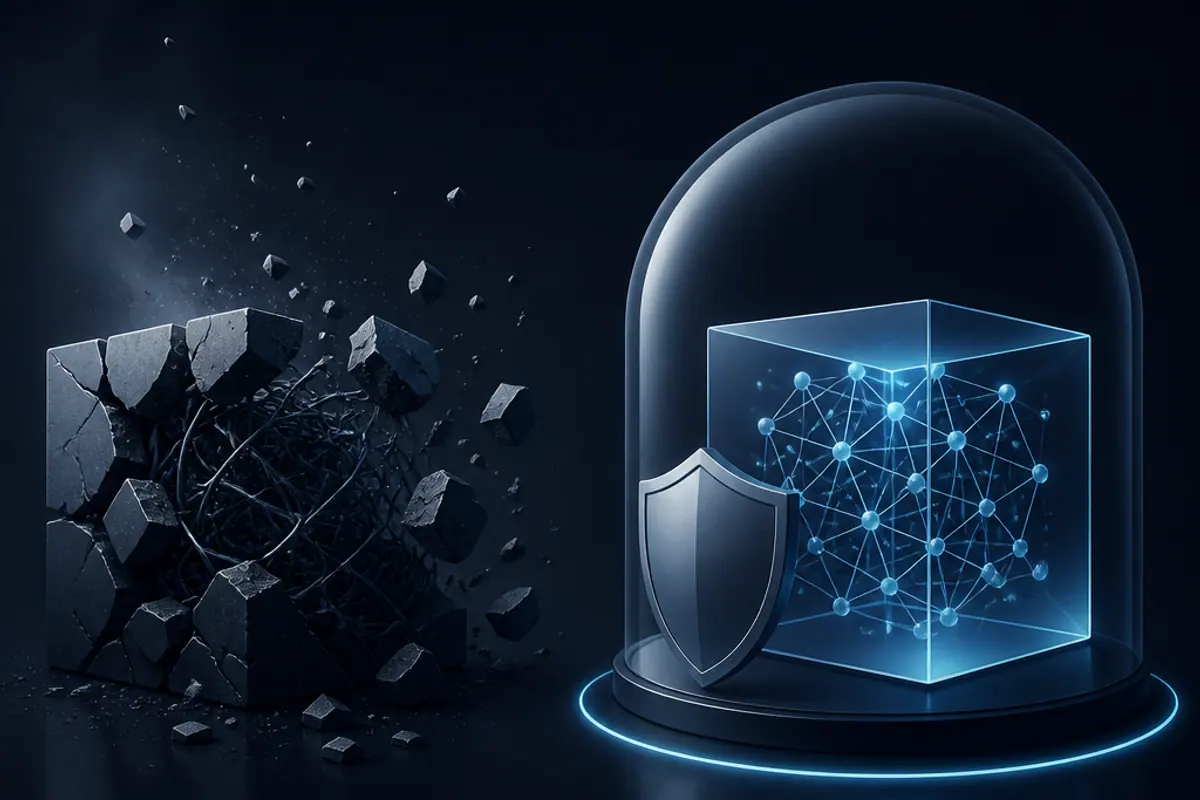
AI product liability is the legal exposure a business takes on when an AI-driven feature or update causes harm, and it's rising as more products ship with AI baked in. Concerned about rolling out new AI-driven features without rigorous validation? Firmware and feature updates driven by AI models have already triggered high-profile product recalls and lawsuits when unexpected behaviour caused hardware malfunctions or safety issues. A single unverified update can escalate quickly into a major corporate liability problem.
Why Are AI-Driven Product Failures So Costly?
Customers trust that updates will enhance their products, not break them. When an AI algorithm behaves unexpectedly, it can trigger physical damages or user harm - leading to class-action suits or brand condemnation. Swift detection and thorough documentation of AI changes are now critical risk management steps.
Where Do AI Liability Issues Often Arise?
Unverified Updates: Rolling out new or modified AI models without thorough stress-testing and scenario analysis.
Inadequate Documentation: Failure to track model changes, leading to confusion when troubleshooting product failures.
How to Steer Clear of AI Product Liability
Test model updates extensively under simulated real-world conditions before release, rather than relying on limited internal testing alone.
Establish clear documentation: keep detailed records of every AI model version, associated data, and observed impacts, simplifying liability resolution if issues arise.
In our advisory work, we help organisations build this kind of testing and documentation discipline into their AI release process. Talk to VerityAI about product liability risk.
Frequently asked questions
What is AI product liability?
AI product liability is the legal responsibility a business holds when an AI-driven product or update causes harm to a customer or their property. It covers issues such as faulty firmware behaviour, unsafe automated decisions, and unintended physical or financial damage.
Who is liable when an AI feature causes harm?
Liability usually sits with the business that deployed the AI feature, though it can extend to the developer of the underlying model or component depending on the contract and jurisdiction. Clear documentation of testing and version history helps establish where responsibility lies.
How can a business reduce AI liability risk?
Thorough testing before release, staged rollouts, and detailed records of what changed between versions all reduce the chance of an unvalidated update causing harm. Ongoing monitoring after launch is just as important, since some failure modes only appear once a system is in wide use.
Does AI liability differ from standard product liability?
The underlying legal principles are similar, but AI systems can behave differently after release as they encounter new data or conditions, which standard product liability frameworks weren't designed around. This makes documentation and monitoring more important for AI products than for static, unchanging ones.
If you want support with this, VerityAI offers responsible AI governance.

Sotiris Spyrou
Sotiris Spyrou is the founder of VerityAI, a Responsible AI advisory for boards and AI-deploying businesses. With 27 years across agencies and global in-house roles, including Global Head of SEO at Robert Half and Group Head of Search at Gamesys, he advises leaders on AI governance and risk, and on answer-engine visibility engineered without the dark patterns the rest of the industry is getting penalised for. He is the author of TRANSFORM, AI Moats, and Ethical AI.
Founder at VerityAI
Areas of Expertise: