Deepfakes and Synthetic Media: The Corporate Risk You're Not Prepared For
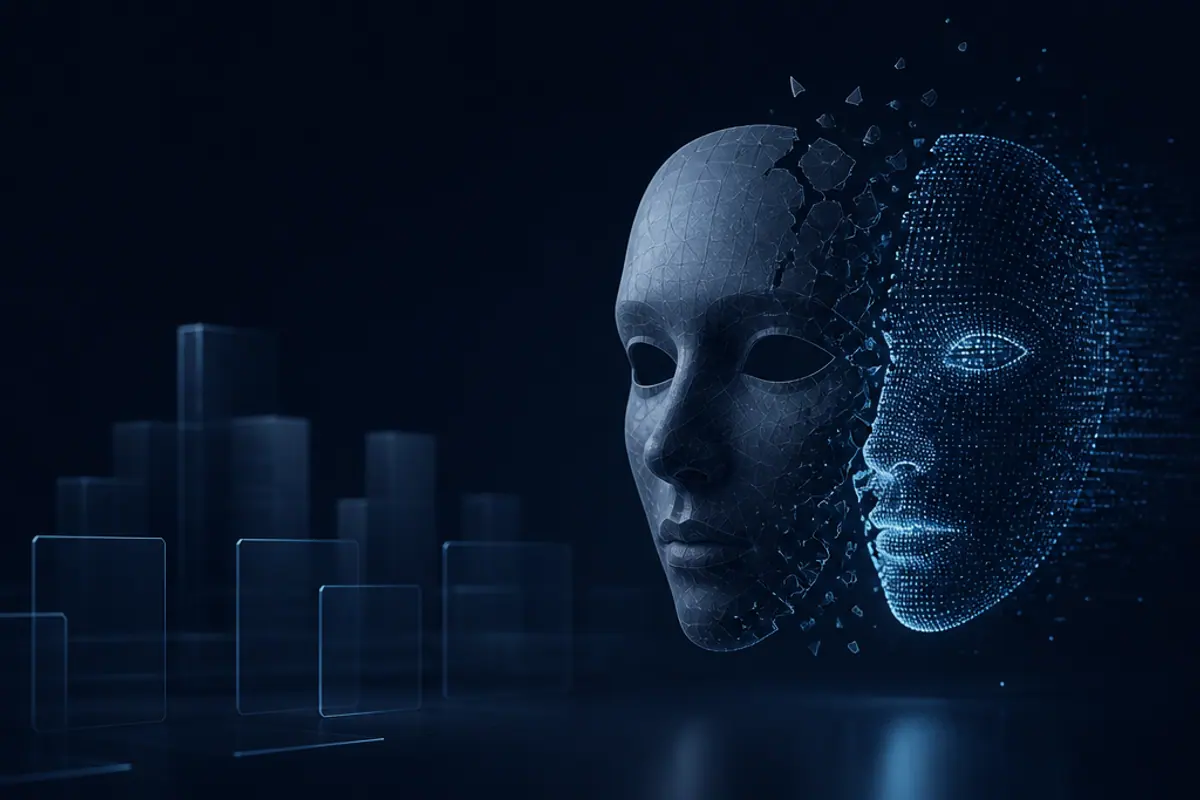
Deepfake corporate risk is the exposure a business faces when AI-generated synthetic media, such as fabricated executive videos or cloned voices, is used to deceive employees, customers, or markets. At VerityAI, we're monitoring how these technologies create new vulnerabilities for enterprises across sectors.
Understanding the Deepfake Threat
Deepfakes use AI to create hyper-realistic but fabricated content, including:
Executive Impersonation: Fake videos of corporate leaders making false announcements
Brand Voice Cloning: Synthetic audio mimicking company spokespeople
Document Forgery: AI-generated fake communications, reports, or credentials
Customer Impersonation: Synthetic identity verification materials
Evidence Manipulation: Altered records of events or interactions
The Business Impact of Synthetic Media
For organisations, deepfakes create substantial risks:
Market Manipulation: False announcements triggering stock movements
Reputational Damage: Fake content damaging brand or executive credibility
Social Engineering: Enhanced phishing attempts using synthetic media
Operational Disruption: False information creating unnecessary responses
Legal Exposure: Difficulties verifying evidence in disputes
Why Traditional Security Measures Fall Short
Standard security approaches often miss synthetic media risks because:
Rapid Technology Evolution: Detection tools struggle to keep pace with generation capabilities
Human Trust Factors: People naturally trust what they see and hear
Verification Gaps: Lack of robust authentication for digital media
Cross-Channel Vulnerabilities: Security focused on individual rather than coordinated attacks
The VerityAI Approach to Synthetic Media Risk
In our advisory work, we help organisations address deepfake threats through:
Detection Testing: Evaluating effectiveness of synthetic media identification tools
Authentication Validation: Verifying digital signature and provenance mechanisms
Response Readiness: Assessing organizational preparedness for synthetic media incidents
Policy Review: Examining communication and verification protocols
Mitigation Strategies
Organisations can reduce synthetic media risks through:
Content Provenance: Implementing digital signatures and verification for official content
Multi-Factor Authentication: Requiring additional verification beyond voice or video
Detection Tools: Deploying AI-based detection for synthetic media
Incident Response Planning: Developing specific protocols for deepfake scenarios
Beyond Technical Solutions
Addressing synthetic media effectively requires more than just technical measures:
Stakeholder Education: Training employees, customers, and partners on detection
Communication Protocols: Establishing clear channels for authentic announcements
Media Literacy: Promoting critical evaluation of digital content
Cross-Functional Coordination: Involving communications, legal, security, and IT teams
Looking Forward
As synthetic media becomes increasingly sophisticated and accessible, detection and authentication will become critical components of corporate security. Organisations that implement robust validation frameworks now will be better positioned to protect their brand integrity, executive credibility, and operational security.
Get in touch with VerityAI to learn how our independent advisory work can help your organisation assess and mitigate synthetic media risks in your AI ecosystem.
For hands-on help, see VerityAI's AI compliance and risk review.
Frequently asked questions
What is a corporate deepfake risk?
A corporate deepfake risk is any scenario where AI-generated synthetic media, such as a fabricated video of an executive or a cloned voice, is used to impersonate a business or its people for deceptive purposes. This can range from fraudulent payment requests to fake announcements intended to influence markets or damage reputation.
How do deepfakes typically target businesses?
Common patterns include executive impersonation in fake video or audio, cloned voices used in social engineering calls, and forged documents or credentials. These are often combined with existing phishing or fraud techniques, using synthetic media to make the deception more convincing.
Why do traditional security controls struggle with this threat?
Most security frameworks were built around protecting systems and credentials, not around verifying whether the video or voice on the other end of a call is genuine. People also tend to trust what they see and hear by default, which synthetic media exploits directly.
What steps can a business take to reduce deepfake exposure?
Practical measures include multi-factor verification for high-value requests that doesn't rely on voice or video alone, clear internal protocols for confirming unusual executive instructions, and staff awareness training on what synthetic media attempts look like. Having an incident response plan specific to synthetic media scenarios also helps limit damage if an attempt gets through.

Sotiris Spyrou
Sotiris Spyrou is the founder of VerityAI, a Responsible AI advisory for boards and AI-deploying businesses. With 27 years across agencies and global in-house roles, including Global Head of SEO at Robert Half and Group Head of Search at Gamesys, he advises leaders on AI governance and risk, and on answer-engine visibility engineered without the dark patterns the rest of the industry is getting penalised for. He is the author of TRANSFORM, AI Moats, and Ethical AI.
Founder at VerityAI
Areas of Expertise: