AI Distillation: Navigating Compliance Challenges in Emerging AI Practices
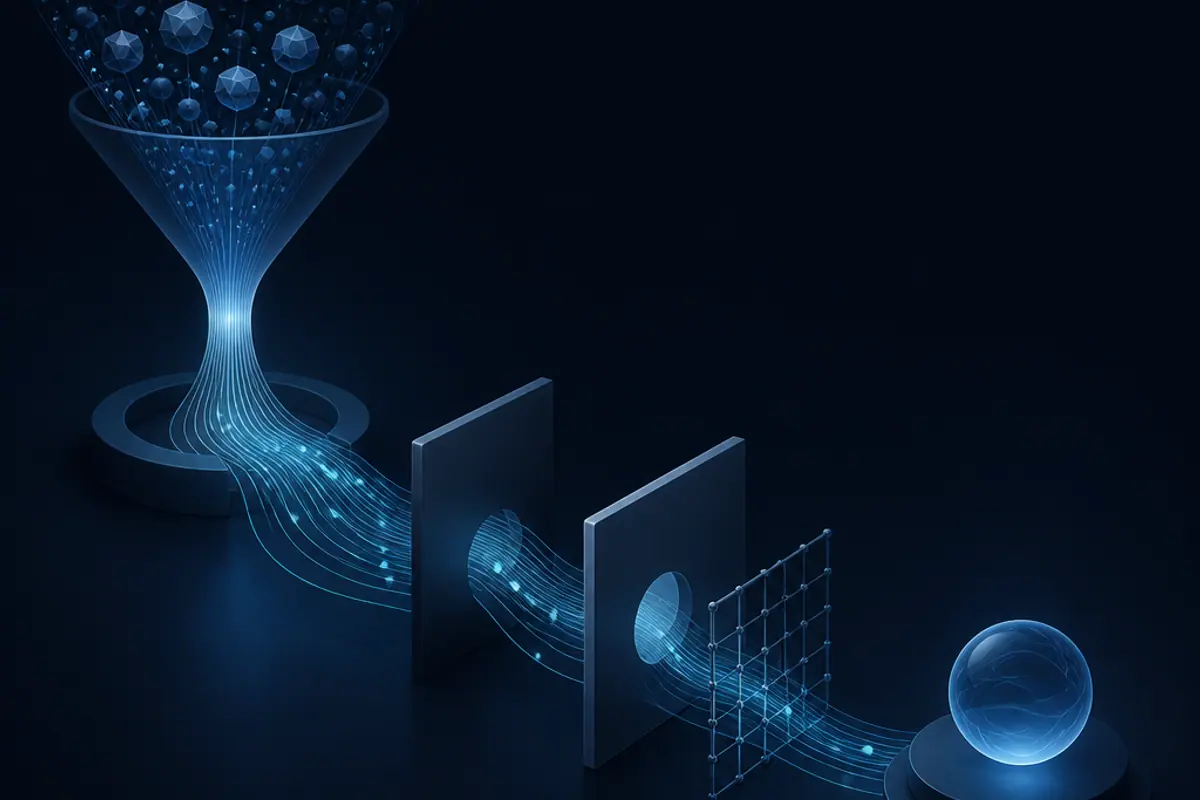
AI distillation is a technique where a smaller "student" model is trained to replicate the behaviour of a larger "teacher" model, and it carries compliance risk whenever the teacher model's data or intellectual property rights are unclear. Wondering why AI distillation is drawing so much attention from experts like Open AI and DeepSeek? While this technique can boost efficiency and reduce resource use, it also invites fresh compliance challenges - from IP rights to data privacy.
Why Does AI Distillation Spark Compliance Debates?
AI distillation, where a student model learns from a teacher model, is an emerging practice with huge potential. (cited in various news reports) But does it cross any lines regarding intellectual property or personal data? These questions have become central for legal and compliance teams worldwide.
Where Can This Go Wrong?
Intellectual Property Risks: Distilling knowledge from a proprietary model without permission may infringe on IP rights.
Data Privacy Issues: The student model could inadvertently inherit personal or sensitive data from the teacher, violating privacy regulations.
How to Practice AI Distillation Responsibly
Conduct Thorough Audits: Regularly assess AI models for compliance with intellectual property laws, ensuring you have explicit rights to any "teacher" data.
Implement Data Privacy Measures: Verify that no unauthorized or sensitive information is passed on to the distilled (student) model.
Stay ahead of compliance challenges. Sign up for VerityAI today.
More on how we approach it: AI governance.
Frequently asked questions
What is AI distillation?
AI distillation is a technique where a smaller "student" model is trained to reproduce the outputs and behaviour of a larger "teacher" model. It is used to create more efficient models without needing to train them from scratch on the original dataset.
Why does AI distillation raise intellectual property concerns?
Distilling a proprietary model without permission can mean the resulting student model has learned from IP that was never licensed for that purpose. This is an emerging area of legal debate, and the answer often depends on the specific terms attached to the teacher model.
Can a distilled model inherit privacy risks from its teacher model?
Yes. If the teacher model was trained on personal or sensitive data, that information can be reflected in the student model's outputs, which raises data privacy questions that need to be checked before the distilled model is deployed.
How should a business approach AI distillation responsibly?
It should confirm it has explicit rights to use the teacher model before distilling from it, and it should verify that no unauthorised or sensitive data carries over into the student model.

Sotiris Spyrou
Sotiris Spyrou is the founder of VerityAI, a Responsible AI advisory for boards and AI-deploying businesses. With 27 years across agencies and global in-house roles, including Global Head of SEO at Robert Half and Group Head of Search at Gamesys, he advises leaders on AI governance and risk, and on answer-engine visibility engineered without the dark patterns the rest of the industry is getting penalised for. He is the author of TRANSFORM, AI Moats, and Ethical AI.
Founder at VerityAI
Areas of Expertise: