The Dark Side of AI Authentication: How Systems Can Be Fooled
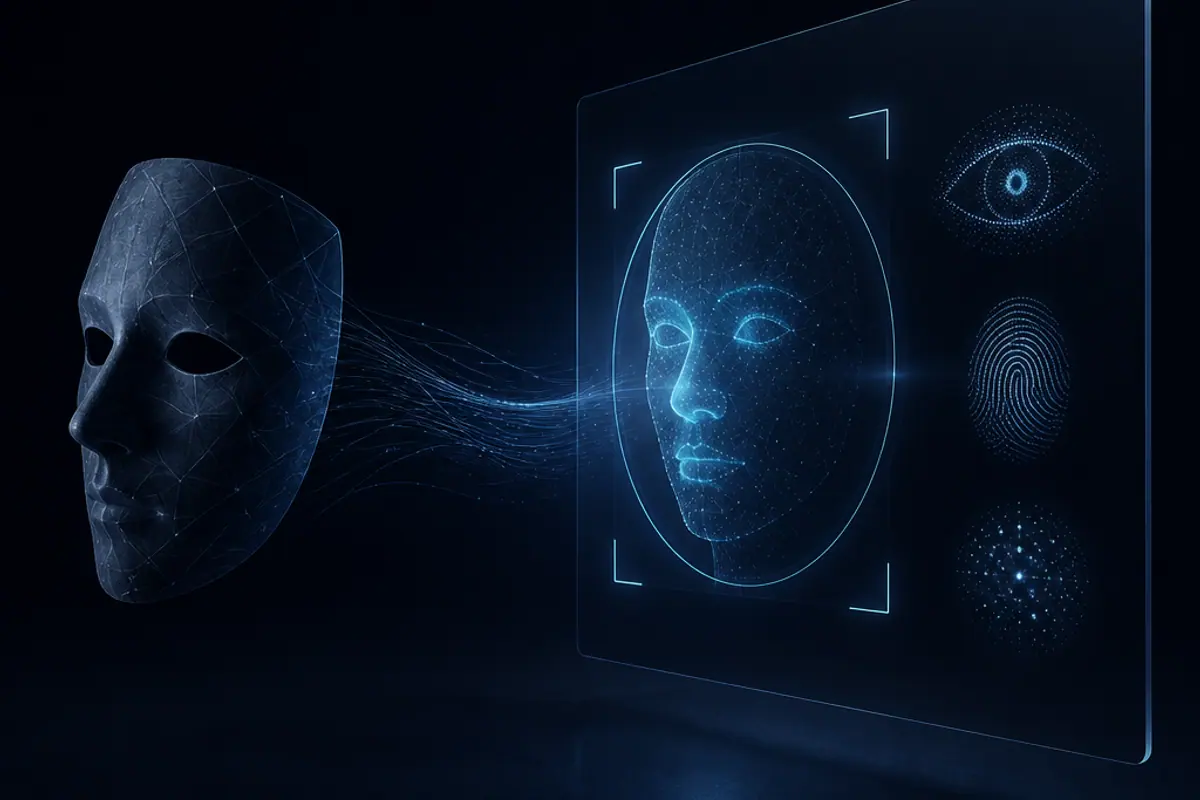
AI authentication vulnerabilities are weaknesses in systems like facial recognition, voice identification, or behavioural biometrics that let an attacker impersonate a legitimate user or bypass security checks. As organisations increasingly deploy AI for authentication and security purposes, a troubling reality is emerging: many of these systems contain critical vulnerabilities that can be exploited. At VerityAI, we're concerned about the growing gap between perceived and actual security in AI authentication systems.
Understanding AI Authentication Vulnerabilities
AI-based authentication - including facial recognition, voice identification, and behavioural biometrics - is rapidly replacing traditional security measures. However, these systems often contain exploitable weaknesses:
Presentation Attacks: Using photos, videos, or voice recordings to impersonate legitimate users
Adversarial Examples: Subtle manipulations that cause AI to misclassify inputs
Model Inversion Attacks: Techniques that can reconstruct private training data
Transfer Learning Vulnerabilities: Exploiting similarities between different AI models
Real-World Implications
These vulnerabilities create tangible business risks:
Unauthorised Access: Critical systems compromised through spoofed authentication
Data Breaches: Sensitive information exposed through authentication bypasses
Regulatory Non-Compliance: Authentication failures leading to violations of data protection laws
Reputational Damage: Public incidents undermining trust in digital security measures
The False Sense of Security
Many organisations implement AI authentication solutions without understanding their limitations, creating a dangerous gap between perceived and actual security. This false confidence often leads to:
Reduced human oversight where it's still needed
Over-reliance on systems that haven't been properly tested
Inadequate fallback mechanisms when AI authentication fails
Validation Approaches for Secure AI
Comprehensive testing for AI authentication systems should include:
Red Team Testing: Simulated attacks to identify vulnerabilities
Adversarial Training: Strengthening systems against manipulation
Continual Evaluation: Regular testing as new attack vectors emerge
Multimodal Verification: Combining authentication methods to enhance security
Our Approach to Authentication Testing
In our advisory work, we help organisations address authentication vulnerabilities through:
Systematic probing for common presentation attacks
Advanced adversarial example generation to test boundaries
Cross-referencing with emerging attack vectors and vulnerabilities
Documentation of security boundaries and necessary compensating controls
Building Truly Secure AI Systems
Creating genuinely secure AI authentication requires:
Realistic Threat Modeling: Understanding how adversaries might attack your specific system
Independent Validation: Testing by parties without conflicts of interest
Defence in Depth: Implementing multiple security layers rather than relying solely on AI
Transparency About Limitations: Clearly documenting what the system can and cannot protect against
Looking Forward
As authentication attacks grow more sophisticated, validation will become increasingly crucial. Organisations that implement robust testing frameworks now will be better positioned to deploy AI securely while avoiding potentially catastrophic security breaches.
In our advisory work, we help organisations identify and address authentication vulnerabilities before they're exploited. Get in touch to discuss your authentication risk.
Frequently asked questions
What are AI authentication vulnerabilities?
AI authentication vulnerabilities are weaknesses in systems that use AI to verify identity, such as facial recognition, voice identification, or behavioural biometrics. These weaknesses can let an attacker impersonate a legitimate user, for example by presenting a photo, recording, or a subtly manipulated input that the system misclassifies as genuine.
Are AI authentication systems less secure than traditional passwords?
Not inherently. Both have failure modes. The difference is that AI authentication failures can be harder to spot, because the system often looks like it's working correctly right up until it's tricked, whereas a password breach usually leaves clearer evidence.
What is a presentation attack?
A presentation attack is when someone uses a photo, video, or audio recording of a legitimate user to fool a biometric authentication system into granting access. It's one of the more common ways AI authentication gets bypassed, because it doesn't require any technical exploit of the model itself.
Does adding more AI authentication methods automatically improve security?
Not on its own. Combining methods, known as multimodal verification, can raise the bar for attackers, but only if each method is genuinely independent and has been tested for its own weaknesses. Stacking untested methods together can create a false sense of security rather than removing it.
This is the kind of work our AI governance handles.

Sotiris Spyrou
Sotiris Spyrou is the founder of VerityAI, a Responsible AI advisory for boards and AI-deploying businesses. With 27 years across agencies and global in-house roles, including Global Head of SEO at Robert Half and Group Head of Search at Gamesys, he advises leaders on AI governance and risk, and on answer-engine visibility engineered without the dark patterns the rest of the industry is getting penalised for. He is the author of TRANSFORM, AI Moats, and Ethical AI.
Founder at VerityAI
Areas of Expertise: